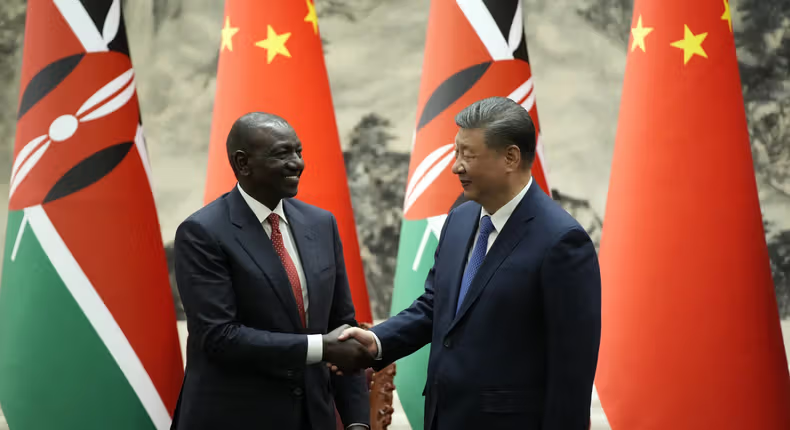
Kenya has paused the formal signing of a significant trade agreement with China. This decision follows substantial diplomatic pressure from the United States. The pending Kenya trade deal requires approvals from Kenya’s cabinet, parliament, and President William Ruto. Nairobi’s primary focus is now renewing its eligibility for the US African Growth and Opportunity Act (AGOA). This program allows duty-free exports to the American market. Its lapse has severely impacted Kenyan industries. The nation is strategically balancing its economic partnerships between two global giants.
The proposed pact with China would eliminate tariffs on key Kenyan agricultural exports. These exports include tea, coffee, and avocados. Beijing offered this market access as a strategic economic buffer. However, the United States expressed strong objections to the deepening trade ties. American officials view the agreement as an expansion of Chinese influence in Africa. Consequently, Kenya faces a delicate diplomatic dilemma. It must choose between a new Asian market and preserving a longstanding, vital American one. This Kenya trade deal delay highlights the complex geopolitics of modern international commerce.
The Critical Importance of AGOA Renewal
The African Growth and Opportunity Act expired in September 2025. The US Congress has not yet approved a long-term successor program. This lapse imposes immediate financial strain on Kenya. Apparel exports to the US, worth over $600 million annually, now face tariffs up to 28%. The Kenya Association of Manufacturers warns of dire consequences. More than 66,000 jobs in textiles and agriculture are at immediate risk. The sector urgently needs clarity and preferential access restored. Renewing AGOA eligibility is now Kenya’s foremost trade policy objective. This goal directly influenced the decision to halt the China agreement.
Economic Impact on Key Kenyan Industries
Kenyan exporters are already experiencing significant losses. The textile sector, a major employer and export earner, is particularly vulnerable. Factories built to supply the US market under AGOA now operate at a steep disadvantage. Agricultural producers also face uncertainty. They anticipated new opportunities under the China deal but now confront stalled negotiations. The government must mitigate potential job losses and economic contraction. This Kenya trade deal postponement creates a precarious interim period for businesses. Companies are caught between two markets, unsure of which trade framework will ultimately prevail.
Geopolitical Balancing Act in Africa
Kenya’s situation reflects a broader continental dynamic. Many African nations are courted by both Washington and Beijing for strategic partnerships. The United States promotes AGOA as a cornerstone of its economic engagement with Africa. China advances its Belt and Road Initiative and bilateral trade pacts. Middle-income countries like Kenya navigate this competition carefully. They seek to maximize economic benefits without alienating either power. The pause in this Kenya trade deal demonstrates the tangible impact of US diplomatic leverage. It shows how great power competition directly shapes national economic decisions in Africa.
Next Steps for Kenyan Trade Policy
President Ruto’s administration must now pursue a dual-track approach. Diplomats will intensify efforts with US legislators to secure AGOA’s renewal or replacement. Simultaneously, they will likely keep the China agreement alive informally, without formal signature. The cabinet may slow its review process while awaiting clarity from Washington. This strategy aims to keep both options available. However, it carries the risk of frustrating both partners. The ultimate decision on this Kenya trade deal will signal the nation’s longer-term economic alignment. The outcome will be closely watched by other African states formulating their own trade strategies.
The domestic political implications are also significant. President Ruto must manage economic expectations and prevent major job losses. Failure to secure AGOA renewal could weaken his political standing. Conversely, abandoning a beneficial deal with China might be criticized as caving to foreign pressure. The government’s ability to secure favorable terms for Kenya will be closely scrutinized. Public and parliamentary debate on the nation’s trade direction is inevitable. This Kenya trade deal delay is more than a diplomatic story; it is a pressing domestic economic concern with profound livelihood implications.
Kenya’s decision underscores a harsh reality for developing economies. They often operate within frameworks set by larger, wealthier nations. The pursuit of economic sovereignty is complex within interconnected global systems. The coming months will reveal whether Kenya can successfully negotiate this high-stakes impasse. The goal is to achieve a stable trade environment that supports growth and employment. The world will observe how a pivotal African economy manages the competing demands of two superpowers.
Kenya has paused a major Kenya trade deal with China, prioritizing renewal of a US duty-free export program critical for its economy.