The number of registered neurosurgeons in Kenya remains critically low compared to the country’s growing population and increasing burden of neurological disorders. As cases involving traumatic brain injuries, spinal conditions, stroke complications, and brain tumours continue to rise, access to specialized neurosurgical care has become an important healthcare concern in Kenya.
Neurosurgery is among the most demanding medical specialties globally. The field focuses on diagnosing and surgically treating disorders affecting the brain, spinal cord, peripheral nerves, and the broader nervous system. In Kenya, neurosurgeons handle some of the country’s most complex and life-threatening medical emergencies, particularly injuries linked to road accidents and severe trauma.
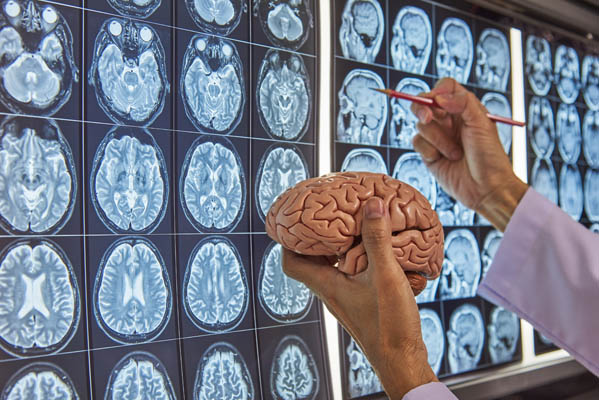
Neurosurgery or/and neurological surgery, also known in common parlance as brain surgery, is the medical specialty that focuses on the surgical treatment or rehabilitation of disorders that affect any portion of the nervous system, including the brain, spinal cord, peripheral nervous system, and cerebrovascular system.[1] Neurosurgery as a medical specialty also includes non-surgical management of some neurological conditions.
According to data from the Kenya Medical Practitioners and Dentists Council (KMPDC), Kenya currently has only 55 registered neurosurgeons serving a population of more than 55 million people. This translates to roughly one neurosurgeon per one million citizens, a ratio that falls significantly below international healthcare recommendations.
The shortage highlights the broader challenges facing Kenya’s specialized healthcare sector, including limited training opportunities, uneven distribution of specialists, and inadequate neurosurgical infrastructure in many counties.
Read Also: Dr. David Livingstone Oluoch Olunya: The Neurosurgeon Who Served Raila Odinga for Decades
The Growing Need for Neurosurgical Care in Kenya
Demand for neurosurgical services in Kenya has increased steadily over the past decade due to several factors, including rapid urbanization, increased motorization, improved diagnostic capacity, and rising awareness about neurological disorders.
Road traffic accidents remain one of the leading causes of neurosurgical admissions in Kenya. Victims of severe crashes often suffer traumatic brain injuries, spinal cord damage, skull fractures, and internal bleeding that require urgent surgical intervention.
Hospitals are also reporting increasing cases involving:
- Brain tumours
- Hydrocephalus
- Stroke complications
- Congenital neurological disorders
- Degenerative spinal diseases
- Epilepsy-related complications
- Nerve compression disorders
As life expectancy rises and non-communicable diseases become more common, experts expect demand for neurological and spinal care to continue growing.
Why Neurosurgery Is Considered a Highly Specialized Field
Neurosurgery involves extremely delicate procedures affecting the brain and nervous system, areas that control movement, sensation, memory, speech, and vital body functions.
Training to become a neurosurgeon requires years of advanced education and practical experience. After completing a medical degree and internship, doctors must undergo specialist surgical training that can take several additional years.
In Kenya, many neurosurgeons complete their training through the Master of Medicine program at the University of Nairobi, while others pursue regional fellowships through the College of Surgeons of East, Central and Southern Africa (COSECSA) or undertake further specialization abroad in countries such as South Africa, the United Kingdom, China, and Germany.
The demanding nature of the specialty partly explains why the country continues to face a shortage of neurosurgeons despite rising healthcare demand.
Challenges Facing Neurosurgical Care in Kenya
Although Kenya has made progress in expanding specialist healthcare services, several challenges continue to affect neurosurgical care delivery.
Shortage of Specialists
With only a few dozen registered neurosurgeons nationwide, many counties lack direct access to specialized neurological care.
Uneven Distribution of Neurosurgeons
Most neurosurgeons practice in Nairobi and a few major urban centers such as Eldoret, Kisumu, Nakuru, Mombasa, and Meru. Rural patients often travel hundreds of kilometres to seek treatment.
Read Also: List Of Best Internists In Kenya
High Cost of Treatment
Neurosurgical procedures are expensive due to the specialized equipment, intensive care support, imaging technology, and long hospital stays often required.
Limited Equipment and Infrastructure
Many public hospitals still face shortages of advanced imaging equipment, neurosurgical theatres, intensive care beds, and rehabilitation facilities.
Delayed Diagnosis
Patients in remote regions may experience delayed referrals, increasing the risk of complications and poor treatment outcomes.
Major Conditions Treated by Neurosurgeons in Kenya
Neurosurgeons in Kenya handle a broad range of neurological and spinal disorders.
Traumatic Brain Injuries
Head injuries from road crashes, falls, assaults, and workplace accidents account for a significant portion of emergency neurosurgical cases.
Brain Tumours
Both benign and malignant tumours affecting the brain and spinal cord may require surgical removal or management.
Hydrocephalus
This condition involves abnormal fluid accumulation in the brain and commonly affects infants and young children.
Spinal Disorders
Neurosurgeons treat slipped discs, spinal fractures, spinal tumours, degenerative diseases, and spinal cord injuries.
Stroke Complications
Certain stroke cases require neurosurgical intervention to relieve pressure or repair damaged blood vessels.
Congenital Neurological Disorders
Some children are born with neurological abnormalities requiring corrective surgery early in life.
Registered Neurosurgeons in Kenya
Below is the updated list of registered neurosurgeons in Kenya based on records from the Kenya Medical Practitioners and Dentists Council.
- Dr Aamir Wasiq Qureshi
- Dr Abdifatah Mohamed Khalif
- Dr Abdul Wahid Kasmani
- Dr Ahmed Nasir Abdirahman Omar
- Dr Alex Henry Njiru
- Dr Ali Abdi Maalim
- Dr Andrew Nyaoncha Nyangau
- Dr Antony Kilonzo Kivuva
- Dr Barnabas Kipngetich Boen
- Dr Benjamin Omondi Okanga
- Dr Beverly Jebet Cheserem
- Dr Charles Mwangi Kingori
- Dr Christopher Kyalo Musau
- Dr Daniel Kanyata Nduati
- Dr Daniel Mugendi Njeru
- Dr David Livingstone Oluoch Olunya
- Dr Dismas Vincent Wekesa
- Dr Donald Ouma Nyomba Okatch
- Dr Edwin Kimaiga Mogere
- Dr Florentius Kamar Kipchirchir Koech
- Dr Gilbert Kiprop Ngetich
- Dr Godfrey Barasa Wasike
- Dr Grace Muthoni Thiong’o
- Dr Hudson Nganga Kamau
- Dr John Kirimo Boore
- Dr John Nganga Kibe
- Dr Johnstone Mativo Muthoka
- Dr Julius Githinji Kiboi
- Dr Kasyoka Mutiso Benjamin
- Dr Kennedy Kimani Chege
- Dr Lee Owuoth Ogutha
- Dr Marjorie Lunyagi Adagi
- Dr Michael Augustus Achianja Magoha
- Dr Mubashir Mahmood Qureshi
- Dr Nilesh Kumar Mohan
- Dr Nimrod Juniahs Mwangombe
- Dr Patrick Akuku Okoth
- Dr Peter Gichuru Mwangi
- Dr Peter Kamau Wanyoike
- Dr Peter Kimathi Njeru
- Dr Peter Kithikii Kitunguu
- Dr Philip Maseghe Mwachaka
- Dr Samuel Gichuhi Njiru
- Dr Simon Kanja Kaguri
- Dr Solomon Wahome Muriithi
- Dr Susan Wanjiru Karanja
- Dr Sydney Kirui Kipkorir Rono
- Dr Sylvia Vigehi Shitsama
- Dr Tom Mboya Ajowi
- Dr Travor Kagasi
- Dr Trizah Tracey John
- Dr Victor Mordecai Awuor
- Dr Wilfred Mwangale Munialo
- Dr William Ochieng Owiti
- Dr Wycliffe Soita Chitiavi
The Role of Public and Private Hospitals
Both public and private hospitals play a key role in neurosurgical care delivery in Kenya.
Large referral hospitals such as Kenyatta National Hospital, Moi Teaching and Referral Hospital, and Aga Khan University Hospital are among the institutions handling complex neurosurgical procedures.
Private hospitals have also expanded specialist neurological units equipped with modern diagnostic imaging systems and intensive care support. However, affordability remains a major barrier for many patients.
Efforts to Improve Neurosurgical Services in Kenya
Several initiatives are underway to improve neurological healthcare access across the country.
Expanded Specialist Training
Medical schools and teaching hospitals are gradually increasing specialist training opportunities for neurosurgeons.
International Partnerships
Kenyan hospitals increasingly collaborate with international institutions for skills exchange, equipment support, and fellowship programs.
Improved Trauma Care
Government and private sector investments in emergency response systems may help reduce delays in managing severe neurological injuries.
Telemedicine and Digital Health
Remote consultations and digital imaging review systems are beginning to support neurosurgical assessment in underserved regions.
Read Also: University of Nairobi
What Patients Should Know Before Seeking Neurosurgical Care
Patients and families are encouraged to seek treatment from licensed specialists and accredited hospitals when dealing with neurological conditions.
Important considerations include:
Specialist Verification
Patients should confirm that a neurosurgeon is registered with the KMPDC.
Early Medical Attention
Neurological symptoms such as severe headaches, seizures, weakness, loss of balance, or prolonged back pain should be evaluated promptly.
Long-Term Rehabilitation
Recovery after neurosurgery may involve physiotherapy, occupational therapy, speech therapy, and psychological support.
Financial Planning
Complex neurosurgical procedures may require substantial medical costs, especially when intensive care and rehabilitation are involved.
Frequently Asked Questions
What does a neurosurgeon treat?
Neurosurgeons diagnose and surgically treat disorders affecting the brain, spine, nerves, and nervous system.
How many neurosurgeons are there in Kenya?
Kenya currently has 55 registered neurosurgeons according to KMPDC data.
Why is neurosurgery important?
Neurosurgery helps manage life-threatening conditions such as brain injuries, spinal trauma, tumours, and neurological disorders.
Are neurosurgical services available outside Nairobi?
Yes, but access remains limited. Some specialists practice in Eldoret, Kisumu, Nakuru, Mombasa, and Meru.
Is neurosurgery expensive in Kenya?
Yes. Neurosurgical procedures can be costly due to the specialized equipment, imaging, and intensive care required.
Conclusion
The updated list of registered neurosurgeons in Kenya highlights both the progress and challenges facing specialized healthcare in the country. While Kenya has developed a growing pool of highly trained neurosurgical specialists, demand for neurological care continues to outpace available capacity.
Road accidents, brain injuries, spinal disorders, and neurological diseases are increasing pressure on an already stretched healthcare system. Expanding specialist training, investing in modern hospital infrastructure, and improving regional access to care will be critical in addressing Kenya’s neurosurgical needs in the years ahead.