The number of registered plastic surgeons in Kenya has continued to grow as demand for reconstructive and cosmetic medical procedures rises across the country. From burn reconstruction and cleft palate correction to cosmetic enhancements such as rhinoplasty and liposuction, plastic surgery has evolved into an important branch of specialized healthcare in Kenya’s urban and private medical sectors.
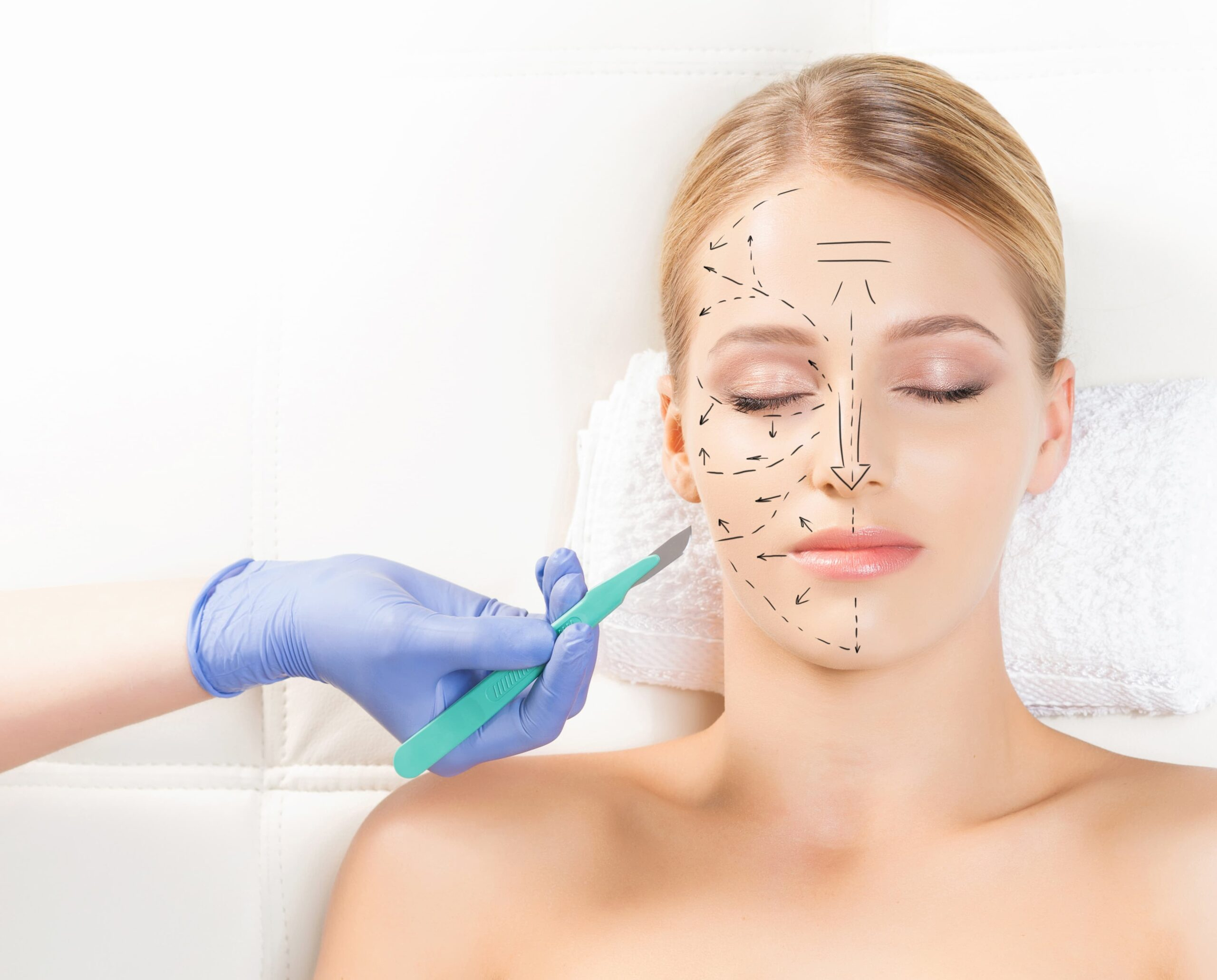
Plastic surgery is a surgical specialty involving restoration, reconstruction, or alteration of the human body. It can be divided into two main categories: reconstructive surgery and cosmetic surgery. Reconstructive surgery covers a wide range of specialties, including craniofacial surgery, oral and maxillofacial surgery, hand surgery, microsurgery, and the treatment of burns. This kind of surgery focuses on restoring a body part or improving its function. In contrast, cosmetic surgery (or aesthetic surgery) focuses solely on improving the physical appearance of the body.
Over the past decade, Kenya has witnessed increased awareness around aesthetic medicine, improved access to specialist healthcare, and a rise in patients seeking corrective surgical procedures after accidents, illnesses, or congenital conditions. The expansion of private hospitals and advanced surgical centers has also contributed to the visibility of plastic and reconstructive surgery as more patients pursue both functional and appearance-related procedures.
Plastic surgery remains one of the most technically demanding medical specialties. Surgeons in this field undergo years of advanced training focused on restoring form, improving function, and enhancing physical appearance. In Kenya, specialists practicing in this area must be licensed and recognized by the Kenya Medical Practitioners and Dentists Council (KMPDC), the statutory body responsible for regulating medical practitioners and ensuring professional standards are maintained.
Understanding Plastic Surgery in Kenya
Plastic surgery is generally divided into two major categories: reconstructive surgery and cosmetic surgery.
Reconstructive surgery focuses on correcting abnormalities caused by trauma, burns, cancer treatment, infections, or congenital conditions. These procedures are often medically necessary and can significantly improve a patient’s quality of life. Common reconstructive procedures performed in Kenya include skin grafting, burn treatment, cleft lip and palate correction, breast reconstruction after mastectomy, and repair of traumatic injuries.
Read Also: List of Best Plastic Surgery Hospitals in Kenya
Cosmetic surgery, on the other hand, is elective and aims to improve a patient’s physical appearance. Procedures in this category may include facelifts, liposuction, tummy tucks, eyelid surgery, breast augmentation, and rhinoplasty. Demand for cosmetic procedures has steadily increased among middle-income and high-income patients in Nairobi and other major towns.
Medical experts say social media exposure, changing beauty standards, rising disposable incomes, and improved confidence in local specialists have contributed to the growth of aesthetic medicine in Kenya.
Growth of Plastic Surgery Services in Kenya
Kenya’s healthcare sector has increasingly positioned itself as a regional medical hub in East Africa. Hospitals in Nairobi, Eldoret, Kisumu, and Mombasa now host specialist surgeons capable of handling complex reconstructive operations that previously required patients to travel abroad.
The growth of plastic surgery services has also been driven by:
Increased Road Accident and Burn Injury Cases
Kenya continues to record thousands of trauma and burn-related injuries annually. Victims often require reconstructive procedures to restore function and minimize long-term disability.
Rising Cancer Survivorship
Breast cancer treatment frequently involves reconstructive surgery after mastectomy procedures. More hospitals are now integrating reconstructive options into cancer care.
Medical Tourism
Kenya is attracting regional patients from neighboring countries seeking affordable but high-quality reconstructive and cosmetic procedures.
Read Also: Enfield Royal Clinic Dubai Company Profile
Expanding Private Healthcare Investment
Private hospitals have invested heavily in modern theatres, intensive care facilities, and specialist surgical units that support advanced plastic surgery procedures.
Qualifications of Plastic Surgeons in Kenya
Becoming a plastic surgeon requires extensive education and specialist training. Most practitioners begin as general medical doctors before undertaking surgical specialization and further fellowship training in plastic and reconstructive surgery.
Patients are encouraged to confirm whether a surgeon is registered with the KMPDC before undergoing any procedure. This helps ensure the practitioner meets professional licensing standards and is legally authorized to practice in Kenya.
Experts also advise patients to verify hospital accreditation, discuss procedure risks thoroughly, and avoid unlicensed cosmetic clinics that may operate without proper medical oversight.
Common Plastic Surgery Procedures Offered in Kenya
Registered plastic surgeons in Kenya provide a broad range of procedures depending on their area of specialization and hospital affiliation.
Reconstructive Procedures
These include:
- Burn reconstruction
- Scar revision
- Skin grafting
- Cleft lip and palate surgery
- Hand surgery
- Breast reconstruction
- Trauma reconstruction
- Tumor excision and repair
Cosmetic Procedures
Popular aesthetic procedures include:
- Rhinoplasty
- Liposuction
- Facelifts
- Botox and fillers
- Tummy tucks
- Breast augmentation
- Eyelid surgery
- Body contouring
Demand for minimally invasive cosmetic procedures has also increased, particularly among younger urban patients seeking shorter recovery periods.
Read Also: Complete List of Nairobi Women’s Hospital Branches in Kenya
Challenges Facing Plastic Surgery in Kenya
Despite progress in specialist healthcare, plastic surgery services in Kenya still face several challenges.
High Procedure Costs
Many cosmetic procedures are expensive and often not covered by insurance providers. Reconstructive procedures may also require multiple operations and prolonged recovery.
Limited Specialist Numbers
Kenya still has relatively few plastic surgeons compared to population demand, especially outside Nairobi and major referral hospitals.
Public Misconceptions
Plastic surgery is often misunderstood as purely cosmetic, despite its critical role in trauma recovery and reconstructive healthcare.
Regulation of Cosmetic Clinics
Authorities continue to raise concerns about unlicensed beauty clinics and unqualified individuals performing risky procedures without medical supervision.
Registered Plastic Surgeons in Kenya
Below is the updated list of registered plastic surgeons in Kenya based on information from the Kenya Medical Practitioners and Dentists Council.
- Dr Abdullahi Abdikadir Adan
- Dr Alex Okello Wamalwa
- Dr Andrew Onyino Were
- Dr Angela Muoki
- Dr Anne Wangui Waithaka
- Dr Bernard Munene Githae
- Dr Daniel Odhiambo Otieno
- Dr Dorsi Onono Jowi
- Dr Esther Wangui Gathura
- Dr Faith Atieno Omwono
- Dr Faith Wanjiru Karanja
- Dr Imraan Shuaib Sherman Hassan
- Dr Jacob William Adegu
- Dr Janan Hania Malik
- Dr Janette Mukami Gathariki
- Dr Jerusha Ogechi
- Dr John Paul Ogalo
- Dr Joseph Kimani Wanjeri
- Dr Kenneth Odongo Aluora
- Dr Kevin Khakame Chesoni
- Dr Kevin Muriu Kinuthia
- Dr Kiriga Fred Maroa
- Dr Lee Njagi Munge
- Dr Loise Njeri Kahoro
- Dr Martin Kipchumba Ajujo
- Dr Matwa Christopher Ondieki
- Dr Michael George Rebeiro
- Dr Michael Kibira Kibisu
- Dr Michael Patrick Ongas Onyango
- Dr Mohamed Areeb Chaudry
- Dr Muhia Natalie Wambui
- Dr Mwaka Mutsumi
- Dr Nancy Kerubo Nyamboga
- Dr Nelson Oduor Ouma
- Dr Omondi Odira
- Dr Oscar Sumba Nyamunyamu
- Dr Peter Biribwa Kansiime
- Dr Peter Muli Nthumba
- Dr Peter Robert Oduor
- Dr Radovan Boca
- Dr Reuben Kangangi Kamundi
- Dr Robert Kyalo Mbaluka
- Dr Ronald Kidiavai Lwegado
- Dr Ruth Wanjiru Njoroge
- Dr Sarah Kemunto Nyakiongora
- Dr Shaban Gathaya Saidi
- Dr Tilman Stasch
- Prof Ferdinand Nangole
- Prof Stanley Ominde Khainga
What Patients Should Consider Before Plastic Surgery
Patients considering reconstructive or cosmetic surgery should conduct thorough consultations before committing to any procedure.
Important considerations include:
Surgeon Credentials
Always confirm whether the doctor is licensed and recognized by the KMPDC.
Hospital Facilities
Major surgeries should be performed in accredited hospitals with emergency support systems and qualified anaesthesia teams.
Risks and Recovery
Every surgical procedure carries risks, including infection, bleeding, scarring, and anesthesia complications. Recovery timelines vary depending on the operation.
Realistic Expectations
Plastic surgery can improve appearance and function, but patients should maintain realistic expectations regarding outcomes.
Future of Plastic Surgery in Kenya
The future of plastic surgery in Kenya is expected to expand alongside improvements in healthcare infrastructure and specialist medical training.
Several trends are shaping the sector:
- Growing adoption of minimally invasive cosmetic procedures
- Increased use of reconstructive surgery in cancer care
- Rising medical tourism opportunities
- Improved access to specialist care outside Nairobi
- Greater public awareness around certified practitioners
Medical schools and referral hospitals are also expected to produce more specialists in the coming years to address growing demand.
Frequently Asked Questions
What is the role of a plastic surgeon?
Plastic surgeons specialize in reconstructive and cosmetic procedures that restore or improve physical appearance and body function.
Are cosmetic surgeries legal in Kenya?
Yes. Cosmetic procedures are legal when performed by licensed and qualified medical practitioners.
How can I verify a plastic surgeon in Kenya?
Patients can confirm registration status through the Kenya Medical Practitioners and Dentists Council.
Is plastic surgery expensive in Kenya?
Costs vary depending on the procedure, hospital, and complexity of treatment. Cosmetic procedures are usually privately funded.
Are reconstructive surgeries covered by insurance?
Some medically necessary reconstructive procedures may be covered by insurance, depending on the provider and policy terms.
Conclusion
The number of registered plastic surgeons in Kenya reflects the country’s growing capacity in specialized medical care. From reconstructive surgery for trauma and congenital conditions to cosmetic enhancement procedures, plastic surgery continues to play an increasingly important role in Kenya’s healthcare landscape.
As demand grows, patients are being encouraged to seek treatment only from qualified and licensed practitioners operating within accredited healthcare facilities. With continued investment in healthcare infrastructure and specialist training, Kenya is steadily strengthening its position as a regional center for advanced surgical care.
Read Also: Doha Clinic Hospital Qatar | Private Healthcare Excellence