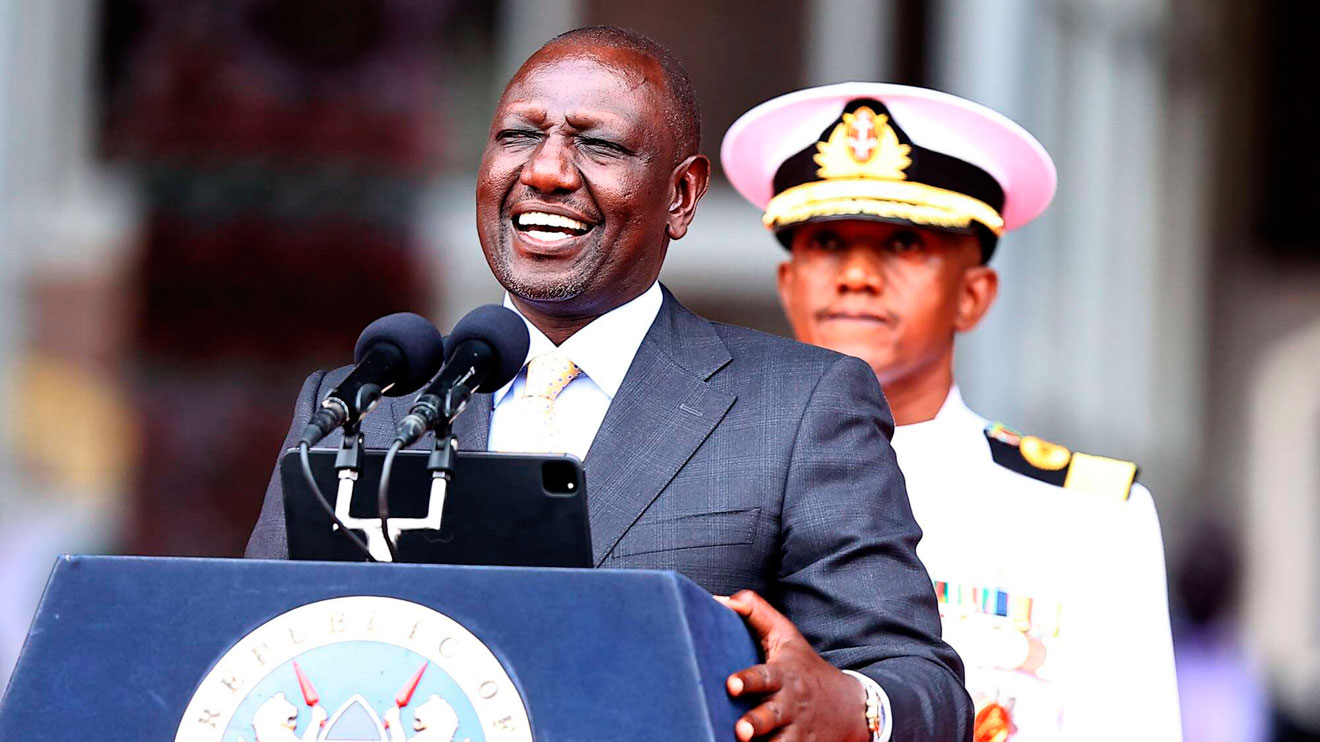
In a bid to address the growing cost of living for millions of Kenyans, President William Ruto has unveiled a comprehensive set of tax relief measures aimed at easing the financial burden on low- and middle-income earners. These reforms come as the government continues to navigate economic challenges, particularly the high inflation rates that have made daily essentials more expensive for citizens across the country.
The tax adjustments, which will directly benefit a large portion of the workforce, are designed to put more money in the pockets of workers, thus stimulating the economy and promoting growth through increased spending and investment.
Key Tax Reforms to Support Low- and Middle-Income Earners
Under the new plan, workers earning KSh 30,000 or less per month (approximately $233) will no longer pay income tax. This change marks a significant increase from the previous threshold, which exempted individuals earning KSh 24,000 or below. This reform will immediately benefit about 1.5 million Kenyans, providing them with more disposable income to meet their daily needs.
Additionally, those earning between KSh 30,000 and KSh 50,000 per month (approximately $388) will see their tax rates slashed to 25%, offering them a 5% reduction from the current levels. Around 500,000 workers are expected to benefit from this change, which will allow them to retain more of their earnings.
President Ruto emphasized that these adjustments would improve the financial well-being of many families, thereby contributing to overall economic stability. By putting more money in the hands of low- and middle-income households, the government hopes to boost consumption, which is a key driver of economic growth.
High-Income Earners Also Set to Receive Tax Relief
The tax relief measures also extend to high-income earners. The highest income tax rate, which currently stands between 32.5% and 35%, will be reduced to 30%. This cap on the upper tax brackets is expected to provide relief to top earners and encourage investment.
The reduction in taxes for higher earners is also intended to foster economic growth by incentivizing wealthier individuals and businesses to invest more in the local economy. Increased investment can lead to job creation, improved infrastructure, and more opportunities for businesses to expand.
Support from the Kenya Bankers Association
The Kenya Bankers Association (KBA) has long called for reforms to raise the minimum taxable income threshold. The KBA believes that raising this threshold would not only benefit workers but also boost the economy by increasing spending power. The association has pointed out that when individuals have more disposable income, they tend to spend, save, and invest more, which strengthens the economy and ultimately boosts government revenue.
In its report, the KBA highlighted the deteriorating purchasing power of Kenyan workers, which has been a major issue due to inflation. By ensuring workers are taxed less, the government hopes to address these concerns and stimulate the economy.
The Tax Laws Amendment Bill and Next Steps
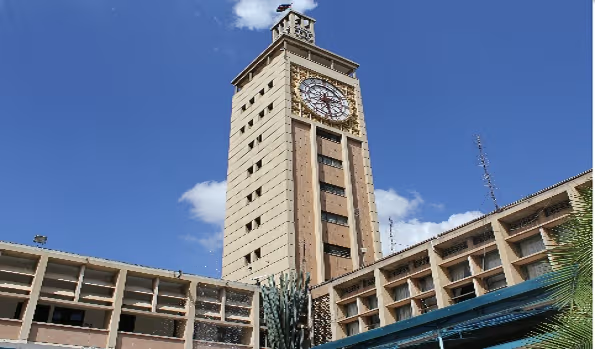
The Tax Laws Amendment Bill, which includes the proposed reforms, will be presented to Parliament for approval in the coming weeks. Once passed, the changes will be implemented, and Kenyans can expect to feel the effects of the tax cuts in their next salary payments.
This bill will be a critical part of the Finance Bill 2026, which is scheduled for publication later in the year. The Finance Bill will outline further tax-related adjustments, and once passed, will provide a roadmap for the country’s fiscal policies for the next year.
Impact on the Economy and Long-Term Growth
The tax relief measures are designed to tackle both immediate and long-term economic challenges. In the short term, the tax cuts will offer much-needed relief to families struggling with rising costs. In the long run, the government hopes that by reducing taxes, it will stimulate economic growth, reduce unemployment, and create a more sustainable economic environment.
The government’s goal is to ensure that Kenya’s economy continues to grow, even amid global economic pressures. With the new tax measures, President Ruto aims to create a more equitable economy, where all Kenyans, regardless of income level, can contribute to and benefit from growth.
The Broader Vision for Economic Transformation
These tax reforms align with President Ruto’s broader vision of transforming Kenya’s economy. With plans to diversify Kenya’s economic sectors and increase investments in critical areas such as infrastructure, education, and technology, the government is focusing on creating a more robust and sustainable economy for the future.
By targeting the middle and lower-income earners, the government is addressing one of the most pressing issues facing Kenyans today – the cost of living. With the tax relief in place, the administration hopes to pave the way for stronger economic foundations and a brighter future for the country’s citizens.