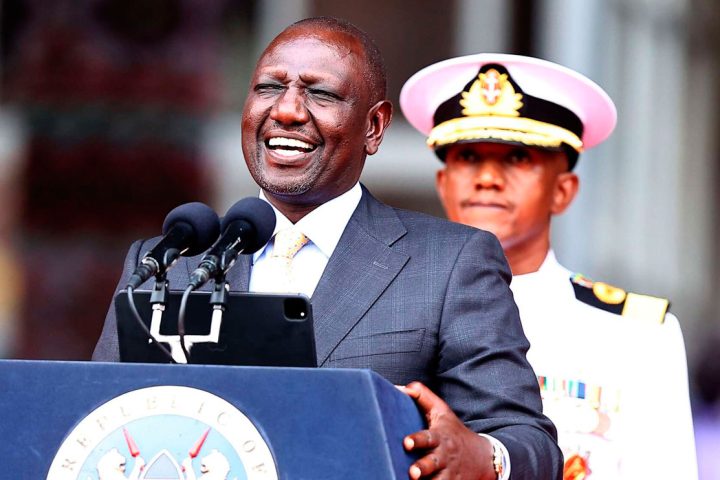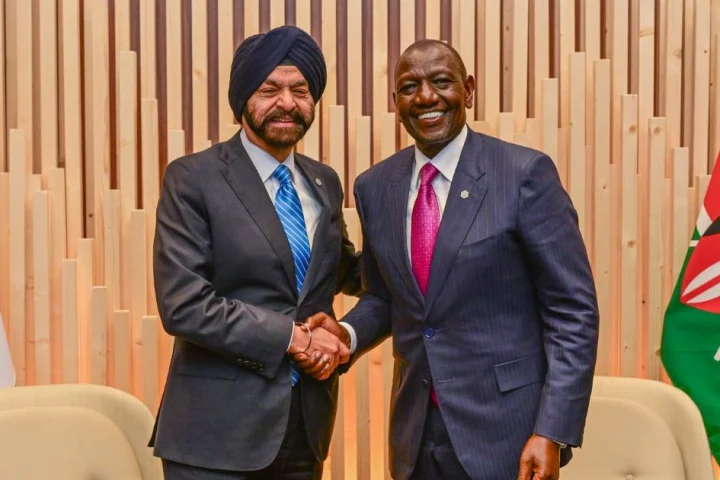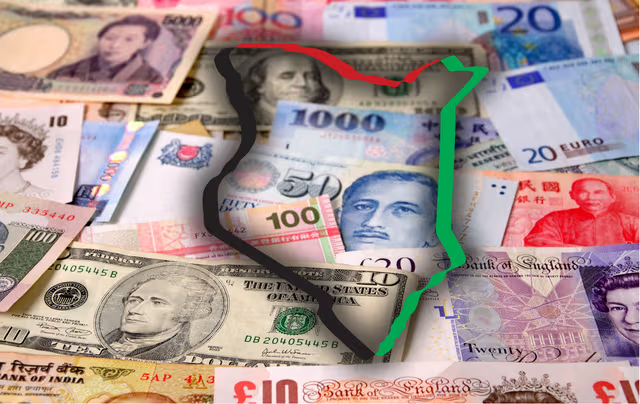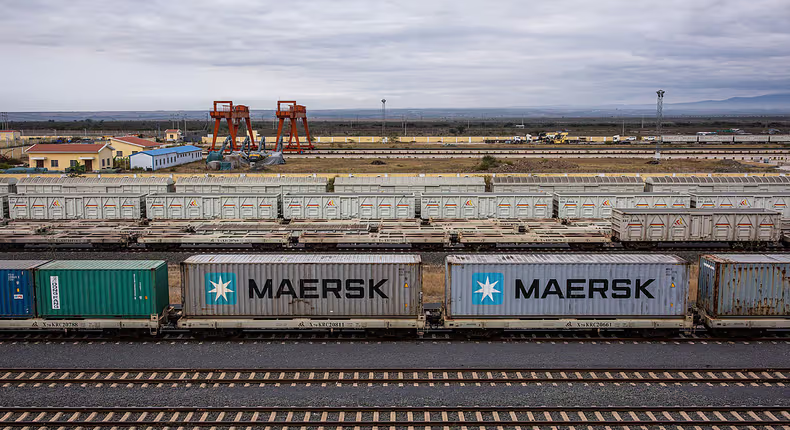
Kenya has reached a significant preliminary trade agreement with China. The deal grants duty-free access for 98.2% of all Kenya exports to the Chinese market. This breakthrough follows Kenya’s exclusion from China’s duty-free list for least developed countries. The Kenyan trade ministry announced the progress on Thursday. Consequently, this move advances efforts toward a full bilateral trade pact. President William Ruto has actively deepened economic ties with Beijing, signing multiple cooperation agreements during a 2025 state visit. This agreement on Kenya exports is a central achievement of that diplomatic push.
The deal offers Kenya a vital alternative market for its key agricultural products. China will eliminate tariffs on Kenyan tea, coffee, and avocados. This access helps mitigate trade imbalances and reduces over-reliance on traditional Western markets. However, the timing is delicate. Kenya is simultaneously seeking renewal of the U.S. African Growth and Opportunity Act (AGOA). Pressure from Washington reportedly contributed to a recent pause in formalizing the China pact. Therefore, Nairobi is strategically balancing between two major economic powers while maximizing opportunities for its Kenya exports.
Strategic Importance for Kenyan Agriculture
The duty-free access directly benefits Kenya’s agricultural sector, a cornerstone of its economy. Tea and coffee are among the nation’s top hard currency earners. Securing preferential access to the vast Chinese consumer market provides a major boost. It diversifies export destinations and stabilizes income for millions of farmers. The agreement on Kenya exports also includes avocados, a high-growth product with increasing global demand. This deal could catalyze further investment and higher production standards to meet Chinese import requirements.
President Ruto has consistently argued for export diversification. He states Kenya must expand into Asian markets to correct a trade imbalance currently favoring Beijing. This preliminary deal is a tangible step toward that goal. By securing preferential terms, Kenya enhances the competitiveness of its goods. This is crucial for a developing economy whose growth is heavily tied to primary commodity exports. The focus on Kenya exports aligns with the government’s broader agenda to transform agriculture and increase value-added processing before shipment.
Navigating US Pressure and AGOA Renewal
The China agreement exists within a complex geopolitical context. As reported, Kenya recently delayed formally signing the pact amid pressure from the United States. The U.S. prioritizes renewing the African Growth and Opportunity Act (AGOA). This program allows qualifying Kenyan exports, particularly textiles, to enter the American market duty-free. AGOA’s lapse has already caused significant economic strain, with tariffs up to 28% applied on apparel exports worth over $600 million annually.
Kenyan policymakers are in a difficult position. They view the China deal as a necessary buffer against the uncertainty of AGOA. However, they cannot afford to jeopardize the historic U.S. trade relationship. The strategy appears to be advancing both tracks simultaneously but with cautious pacing. Securing the preliminary agreement with China strengthens Kenya’s negotiating hand with the U.S. It demonstrates that alternatives exist, potentially encouraging more favorable terms in AGOA renewal talks. Managing these dual priorities is a delicate act of economic diplomacy.
Broader Implications for East African Trade
This deal signals China’s continued economic engagement in East Africa. It follows a pattern of bilateral trade agreements Beijing has pursued across the continent. For Kenya, it reinforces its role as a regional trade and logistics hub. Improved access for Kenya exports could also benefit neighboring countries that use Kenyan ports for their own shipments. The deal may incentivize greater regional cooperation to meet the scale and consistency demands of the Chinese market.
The success of this preliminary agreement will depend on implementation. Logistics, quality control, and consistent supply will be critical. If successful, it could serve as a model for other African nations seeking to diversify their export partnerships. It also highlights the evolving multipolar trade landscape, where African nations are increasingly negotiating as sovereign actors with multiple major powers. The focus remains on leveraging these relationships to build sustainable economic growth through expanded markets for Kenya exports.