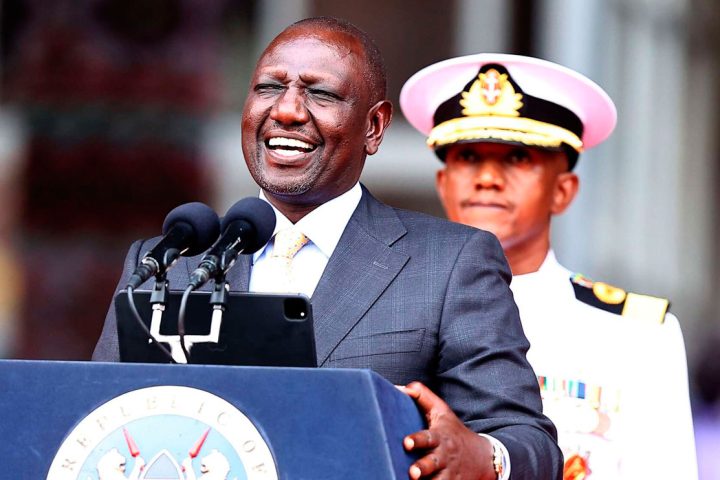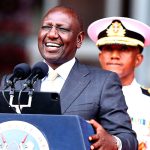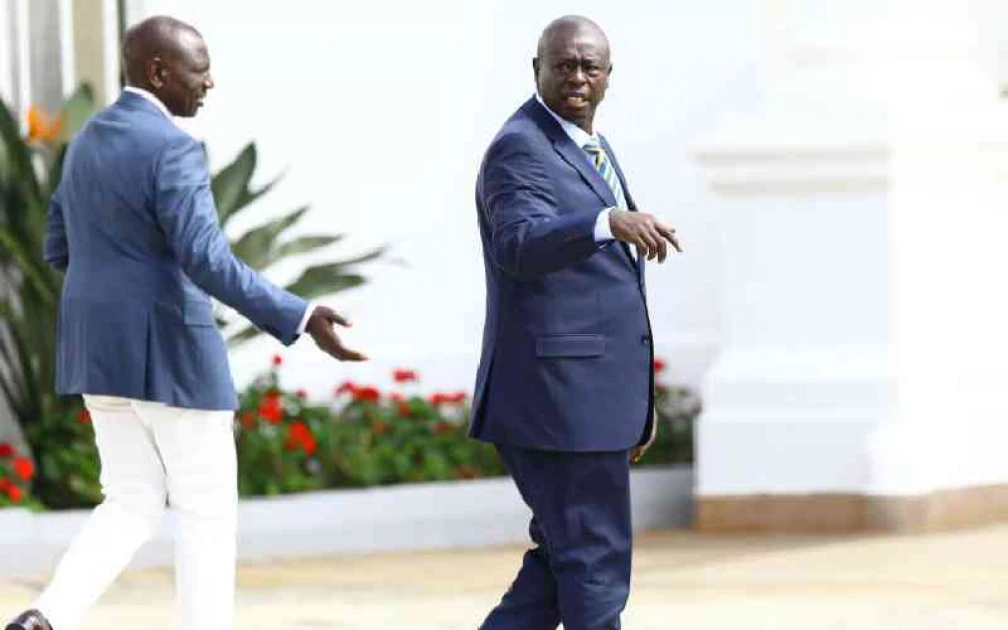
President William Ruto has firmly stated that national schools must remain accessible to all Kenyan children based strictly on merit. He condemned rising political rhetoric around Grade 10 student placements, warning that attempts to “balkanise education” will not be tolerated. His comments, made during a youth fund event in Nakuru, directly address a heated debate fueled by his former deputy, Rigathi Gachagua.
Defending a Merit-Based System
President Ruto emphasized that national schools are a shared national resource. He insisted the placement system is structured to ensure equity and fairness for learners from every region. Dismissing claims of regional bias, he accused certain politicians of advancing “reckless and intellectually hollow arguments.” Ruto vowed not to allow any politician to erect new boundaries for Kenya’s children, stressing that national schools must be equally accessible.
Gachagua’s Counterargument
The debate stems from remarks by Democracy for Citizens Party leader Rigathi Gachagua. He argued that the quota placement system needs review, especially after devolution. Gachagua faulted a scenario where high-performing local students are placed in distant schools while others with lower marks gain nearby national school admission. He maintained that devolution aimed to correct historical imbalances and that local students who qualify deserve placement priority in schools within their areas.
Youth Empowerment and Economic Plans
Beyond the education debate, President Ruto used the Nakuru event to highlight economic initiatives. He oversaw the disbursement of Ksh 25,000 seed capital to 9,800 youths under the NYOTA fund. He announced a plan to disburse Ksh 5 billion over the next three months to 100,000 youths aged 19–29, particularly those without formal qualifications beyond high school.
Skills Certification Program
The government also unveiled a Recognition of Prior Learning (RPL) program. It targets at least 20,000 skilled youths who lack formal certification. The state will cover the cost of their retraining, examination, and certification. This aims to help them tap into formal job markets.
The Core Conflict: Equity vs. Local Investment
The dispute reveals a tension between national equity and local community investment. Gachagua’s position reflects frustration from communities that have invested in local school infrastructure. They question why their top students are then sent elsewhere. Conversely, Ruto’s stance defends a unified, meritocratic vision for national institutions. He views them as vital tools for national integration and equal opportunity.
A Test of National Policy and Political Will
President Ruto’s strong warning marks a significant moment in Kenya’s education policy discourse. It sets a clear boundary against politicizing student placement. As the government rolls out substantial youth empowerment funds, it also seeks to project a focus on unity and meritocracy. The outcome of this debate will influence not only school placements but also the broader narrative on resource sharing and opportunity in a devolved Kenya. The government must now ensure its merit-based system is transparent and enjoys public trust to withstand politically charged criticism.