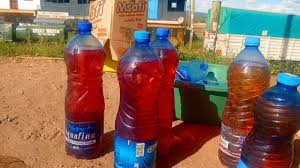
Kajiado fuel crisis has intensified as petrol prices surge to alarming levels in parts of the county. As a result, motorists in towns like Ilbisil and Mali Tisa now pay as much as Sh450 per litre, far above official rates.
Drivers and boda boda operators report severe disruptions. Many now queue for hours in search of fuel. Consequently, movement along sections of the Namanga Highway has slowed significantly.
Motorists say the shortage has nearly paralyzed transport in the affected areas. At the same time, they blame local petrol station owners for hoarding fuel. According to these claims, some operators restrict supply to create artificial scarcity.
The crisis comes amid global pressure on oil markets. The ongoing Israel–Iran conflict has strained supply chains. In addition, currency fluctuations have increased import costs, adding further pressure.
Despite these challenges, the Energy and Petroleum Regulatory Authority insists that official prices remain unchanged. For the period between March 15 and April 14, 2026, Super Petrol sells at Sh178.28 per litre in Nairobi and surrounding regions. Diesel costs Sh166.54, while kerosene stands at Sh152.78 under a government subsidy.
However, the situation on the ground tells a different story. The Kajiado fuel crisis has created a sharp gap between official prices and actual market rates. In some cases, motorists pay up to Sh272 more per litre than the regulated price.
Residents claim they have seen fuel tankers deliver supplies to local stations. Yet, they say station owners refuse to sell at normal rates. This behavior has fueled suspicion of deliberate hoarding.
Motorists also report illegal resale practices. Some accuse station operators of diverting fuel and selling it on the black market. In many cases, sellers use plastic containers and roadside vendors to distribute fuel at inflated prices.
This practice raises serious safety concerns. Selling petrol in plastic containers without proper controls increases fire risks. As a result, both authorities and residents fear potential accidents.
Previously, motorists near the Namanga border relied on Tanzania for cheaper fuel. However, that option has become less viable. Tanzania recently increased fuel prices by 33 percent, pushing petrol costs higher across the border.
Consequently, cross-border alternatives no longer provide relief. The Kajiado fuel crisis now leaves many transport operators with limited options. This situation continues to strain both personal and commercial travel.
Transport operators warn of worsening conditions. If the shortage continues, they fear operations may come to a complete standstill. Therefore, many are calling for urgent intervention.
Drivers and riders have urged authorities to act quickly. They want regulators to crack down on hoarding and illegal sales. In particular, they expect the Energy and Petroleum Regulatory Authority to enforce pricing rules strictly.
At the same time, the crisis highlights deeper challenges in fuel distribution. Supply chain disruptions and speculative behavior can quickly destabilize local markets. Therefore, stronger oversight remains essential.
In conclusion, the Kajiado fuel crisis reflects both global and local pressures. While international factors have played a role, alleged hoarding has worsened the situation. Unless authorities act swiftly, fuel shortages could continue to disrupt transport and daily life in the region.