Africa infrastructure summit discussions are set to take center stage in Nairobi as leaders push for practical solutions to close the continent’s development gap. As a result, the upcoming gathering will focus on financing, execution, and policy frameworks that can turn plans into reality.
The Africa We Build Summit 2026 will take place at the JW Marriott Hotel Nairobi on April 23 and 24. Organizers expect more than 1,000 high-level participants, including heads of state, ministers, investors, and global industry leaders.
The summit is hosted by the Africa Finance Corporation in partnership with the Government of Kenya. Together, they aim to shift the conversation from planning to execution. Therefore, discussions will center on how Africa can move infrastructure projects from priority lists into implementation pipelines.
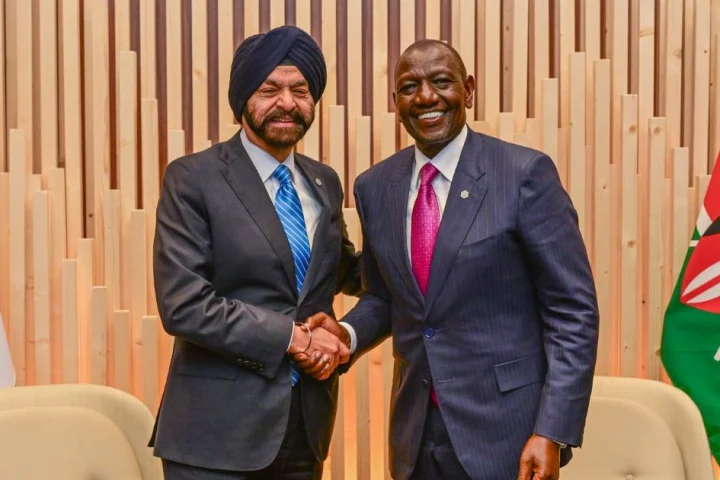
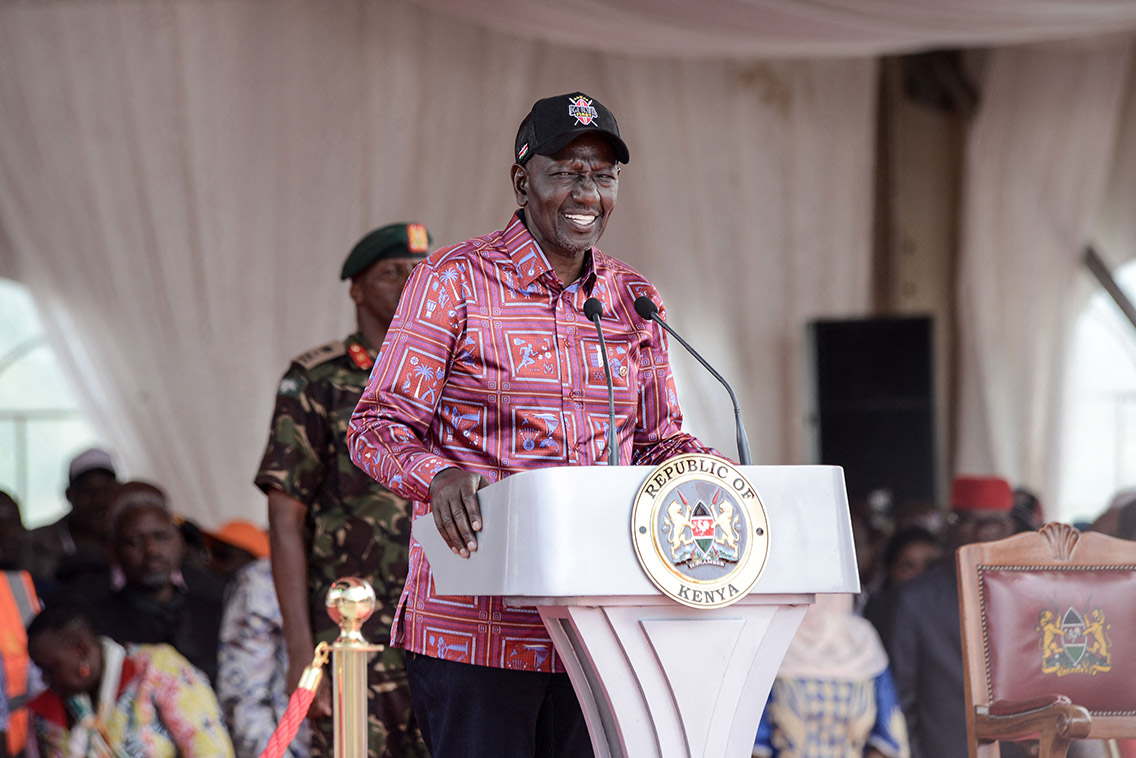
Among the confirmed speakers is William Ruto, who will deliver the keynote address. His participation reflects his strong push for infrastructure-led growth. In recent months, he has launched major road and railway projects to strengthen connectivity and trade.
Ruto has consistently emphasized the importance of modern infrastructure. He argues that no economy can grow without strong transport and logistics systems. At the same time, he links these investments to the broader vision of the African Continental Free Trade Area. This vision aims to position Kenya as a central hub for regional commerce.
The Africa infrastructure summit comes at a critical moment. Africa faces a significant financing gap in infrastructure. However, the continent also holds vast untapped potential across energy, transport, water, and digital sectors.
To address this challenge, Kenya has introduced bold reforms. Notably, Ruto signed the National Infrastructure Fund Act into law in March 2026. This move marks a major shift toward investment-led financing. Instead of relying heavily on debt, the country now seeks to attract both public and private capital.
The fund aims to mobilize nearly KSh 5 trillion over the next decade. In addition, it will channel about KSh 400 billion annually into key sectors. These include transport, energy, water, irrigation, and agribusiness infrastructure. As a result, the government hopes to boost productivity, strengthen food security, and improve trade competitiveness.
To guide the initiative, Ruto appointed key officials to the governing council. These include John Mbadi as chair, alongside Dorcus Odour and Kamau Thugge. Their leadership is expected to drive the fund’s strategic direction and ensure accountability.
Importantly, the fund operates as a commercially independent entity. This structure aims to reduce political interference and build investor confidence. Consequently, it positions infrastructure as a viable asset class that can generate long-term returns.
The Africa infrastructure summit will also highlight broader continental trends. Reports indicate that Africa is entering a new phase of infrastructure development. This phase emphasizes integration, private investment, and future-focused planning.
For example, port privatization is gaining momentum. New partnerships and improved technology are helping ports become more efficient. At the same time, railway investments are increasing. These projects now focus on regional trade corridors and private sector participation.
Despite these developments, challenges remain. Capital across Africa still concentrates in short-term assets like government securities. Therefore, leaders must create frameworks that attract long-term investment into infrastructure.
Experts argue that the issue is not a lack of capital. Instead, fragmentation and risk aversion limit large-scale investment. As a result, policymakers must build platforms that bring together institutional investors, banks, and sovereign funds.
In addition, governments must strengthen policy coordination. Many projects face delays due to bureaucracy or political instability. Therefore, countries need consistent policies, transparent procurement systems, and strong governance structures.
The Africa infrastructure summit seeks to address these barriers directly. By bringing together leaders from across sectors, it aims to foster collaboration and unlock new financing models. Ultimately, the goal is to accelerate infrastructure delivery across the continent.
Looking ahead, Africa’s future depends on execution rather than ambition. Infrastructure remains the backbone of economic growth and regional integration. Roads, railways, energy systems, and digital networks will define the continent’s development path.
In conclusion, the Africa infrastructure summit represents a pivotal moment. Leaders now recognize the urgency of transforming plans into action. If countries adopt innovative financing and strong governance, Africa can unlock its full potential and build a more connected and prosperous future.