A Nairobi court has refused to stop construction in the Mandera Governor land dispute. The school failed to prove ownership of the land in Parklands.
North Highridge Primary School asked the court to halt a 10-storey residential project by Mandera Governor Mohamed Adan Khalif. The project includes 160 housing units on Sixth Avenue. The school claims this land once belonged to it. But the Environment and Land Court found no solid proof.
The disputed plot carries title LR No 209/21526, formerly LR No 209/12673. The school says it originally held 2.219 hectares. Over time, it alleges illegal excisions reduced its size to 1.06 hectares. It filed a suit in September 2025 seeking an injunction.
School officials submitted affidavits about encroachment since 1995. They also shared letters of protest sent to government offices since 2004. Yet Justice Christine Ochieng noted a critical gap. “They gave a history but no documents to support their claim,” she ruled.
The court stressed that temporary orders need strong initial evidence. The school offered a narrative—but not deeds, surveys, or titles linking it to the exact parcel under construction. Without these, the judge called the injunction request premature.
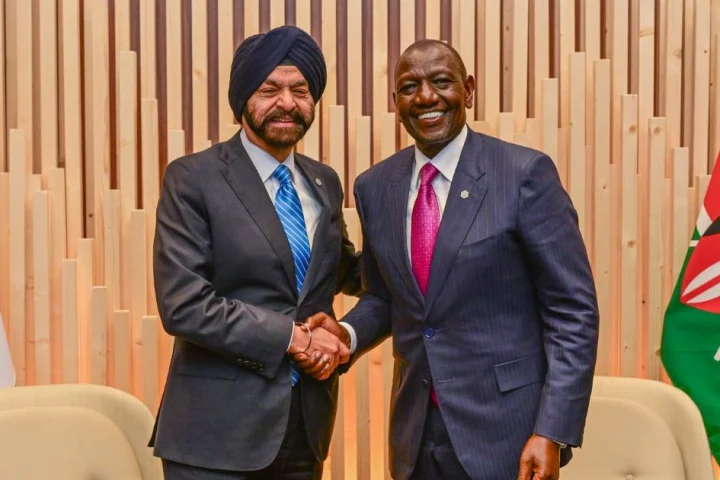
Meanwhile, the Mandera Governor land dispute took a turn in Khalif’s favor. He bought the land in February 2021 for Sh140 million from Richard Maore Maoka. Regulatory bodies later approved his development plan. The National Construction Authority confirmed he followed all legal steps.
Khalif’s team argued the school could not prove ownership. The court agreed. Allegations of forged titles or illegal transfers must wait for a full trial. Interim orders cannot rest on unverified claims.
“Injunctive relief is discretionary,” Justice Ochieng stated. “You must show a clear legal right has been violated.” The school did not meet that bar.
This ruling allows construction to continue. But the main case will still go to trial. There, the court will examine old surveys, land transfers, and title records. If the school presents stronger evidence then, it may regain the land.
The Mandera Governor land dispute highlights a common problem in Nairobi. Public institutions often lose land due to poor record-keeping. Without updated titles or digitized files, they struggle in court—even with legitimate historical claims.
Experts urge schools and churches to secure their land legally. They should verify boundaries, register holdings, and act quickly when threats arise. Waiting decades weakens legal standing.
For buyers like Khalif, the state-issued title offers protection. As long as approvals are in place, courts tend to side with documented owners. That’s why due diligence matters before any purchase.
Kenya’s land system is improving. The National Land Commission now works to resolve historical injustices. But until those reforms reach every parcel, disputes like this will persist.
READ: Ugandans Cross into Kenya to Access Mobile Money Due to Government Restrictions