The Kenya SEZ petroleum bill has entered parliamentary debate as lawmakers push to expand incentives for oil investors, even as protests over fuel prices and the rising cost of living spread across the country. The proposed legislation reflects a dual reality. On one hand, the government wants to unlock petroleum investment. On the other, citizens are reacting to the immediate burden of high energy costs.
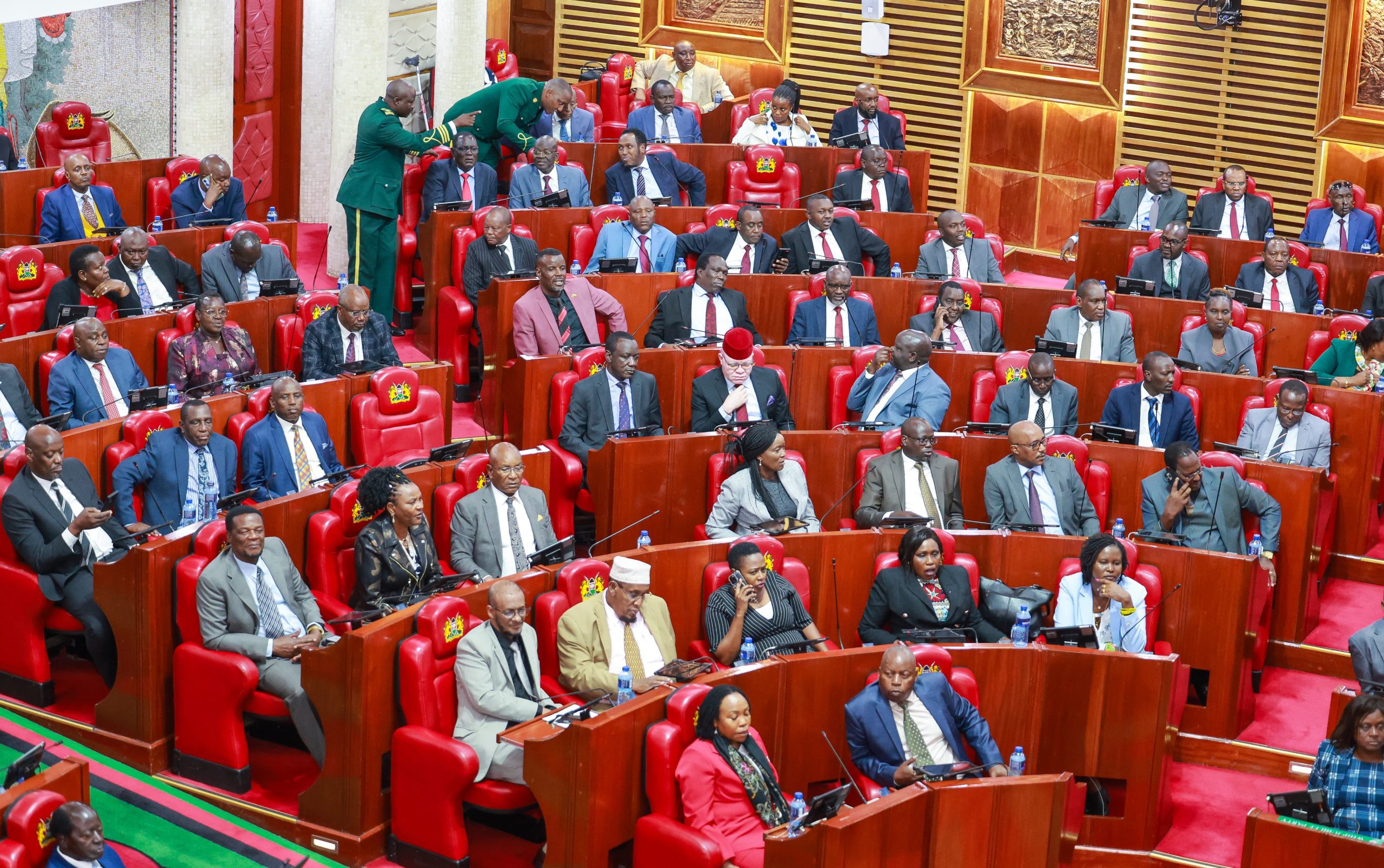
The National Assembly is reviewing the Special Economic Zones Amendment Bill, 2026. The proposal seeks to bring upstream and midstream petroleum activities into the SEZ framework. As a result, policymakers aim to align investment rules with the demands of large-scale oil projects.
Supporters of the Kenya SEZ petroleum bill argue that current laws have slowed progress. In particular, gaps in fiscal and regulatory structures have delayed the shift from exploration to production. Lawmakers believe stronger incentives could accelerate development across oil blocks, especially in Turkana.
At the same time, protests have intensified in urban areas. Demonstrators have taken to the streets to oppose high fuel prices and the rising cost of living. Police have made several arrests as tensions escalate. These protests highlight public frustration, even as the government promotes long-term investment strategies in energy.
The Kenya SEZ petroleum bill introduces key licensing reforms. For instance, it proposes a minimum license duration of 10 years for petroleum zone operators. This change replaces shorter arrangements that investors consider inadequate. Long-term licenses, therefore, could provide stability for projects that require large capital commitments.
In addition, the bill outlines several fiscal incentives. It proposes value-added tax relief on supplies made to SEZ operators. It also removes time limits on certain withholding tax exemptions for payments to non-residents. As a result, investors may face lower upfront costs and improved financial predictability.
Further provisions target operational efficiency. The Kenya SEZ petroleum bill seeks to exempt critical oil equipment from selected levies. These include charges linked to rail transport. Consequently, companies could move heavy infrastructure more easily into remote production areas such as Turkana.
The proposed reforms build on earlier government actions. In 2025, authorities granted extensive tax and duty exemptions to Gulf Energy under a revised production-sharing contract for Block T7. That agreement removed VAT on petroleum inputs and reduced import levies. It also eased withholding tax obligations.
By contrast, the Kenya SEZ petroleum bill aims to standardize such incentives across the sector. Instead of relying on project-specific deals, the law would embed benefits within a broader legal framework. Supporters argue this approach could create consistency and attract a wider range of investors.
However, the timing of the proposal raises questions. Protests over fuel prices reflect immediate economic pressure on households. Many citizens face rising transport and food costs. Therefore, some critics may view expanded incentives for oil companies as misaligned with public priorities.
Even so, policymakers frame the Kenya SEZ petroleum bill as a long-term solution. They argue that increased investment could boost domestic production and reduce reliance on imports. Over time, this shift could stabilize fuel prices and improve energy security.
The Turkana oil fields remain central to this strategy. Estimates suggest recoverable reserves exceed 300 million barrels. Despite this potential, development has faced delays due to high costs and infrastructure gaps. As a result, the sector has struggled to reach commercial production.
By extending SEZ benefits to petroleum activities, the government aims to reposition the industry. Traditionally, SEZ incentives targeted manufacturing and export sectors. Now, policymakers want to apply similar tools to energy development. The Kenya SEZ petroleum bill reflects this strategic shift.
Meanwhile, the protests serve as a reminder of the stakes involved. Citizens demand immediate relief from rising living costs. At the same time, the government is pursuing policies designed to deliver future gains. Balancing these priorities will be critical in the coming months.
Looking ahead, the outcome of the Kenya SEZ petroleum bill could shape Kenya’s energy trajectory. If passed, it may unlock new investment and accelerate project timelines. However, public sentiment will remain a key factor. Economic reforms that ignore current hardships risk facing resistance.
Ultimately, the debate captures a broader tension in economic policy. Governments must invest for the future while addressing present challenges. The Kenya SEZ petroleum bill stands at that intersection, where long-term ambition meets immediate public pressure.