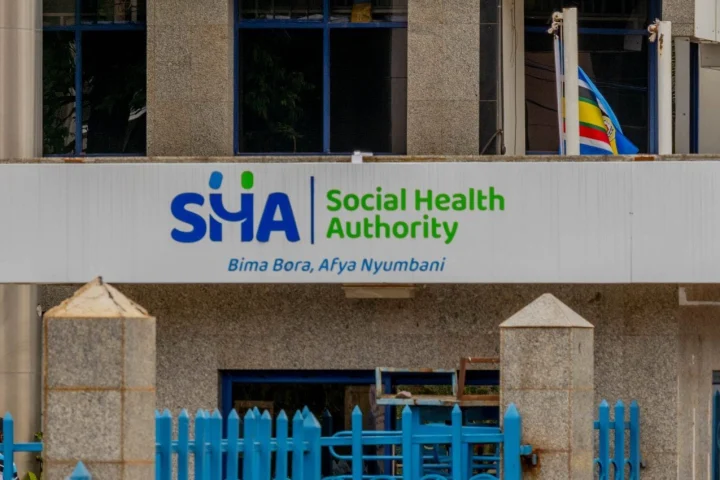
A Kenyan court has temporarily suspended the $2.5 billion health cooperation agreement between the Kenyan government and the United States. This decision comes as a significant development following concerns raised over the transfer of sensitive health and personal data under the framework of the agreement. The Nairobi High Court issued a conservatory order, halting the implementation of the agreement’s provisions related to data exchange, citing the potential risks of transferring Kenyan medical data overseas.
Court’s Ruling and Legal Concerns
The ruling, delivered by Justice Mwamuye, immediately blocked the portion of the agreement that involves the transfer of Kenyan health and epidemiological data to the United States. The decision followed a petition filed by the Consumer Federation of Kenya (Cofek), an advocacy group, which raised alarm over the long-term implications of such data transfers.
The petitioners argued that once medical and epidemiological data is transferred abroad, the ability to control or manage its use becomes permanent and irreversible. Cofek stressed that Kenyan regulators would be powerless to recall or restrict the data once it is in the hands of foreign authorities or private entities, posing potential privacy and security risks.
“Once Kenya’s medical and epidemiological data is transferred abroad, the harm becomes permanent and irreversible,” the petition filed by Cofek reads. “Neither this honorable court nor Kenyan regulators would have the power to recall, restrict, or oversee how such data is used overseas.”
Overview of the Health Cooperation Framework
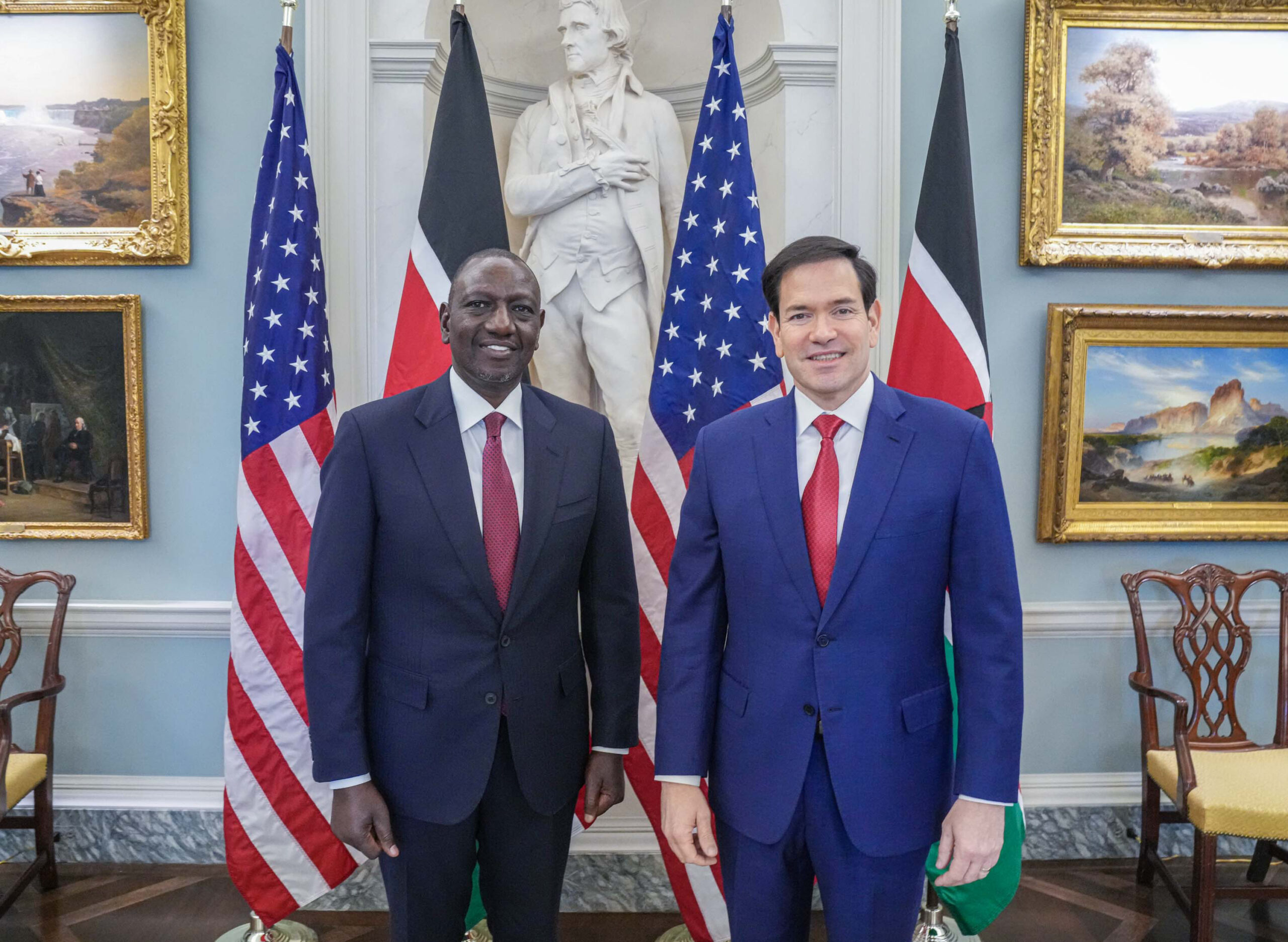
The health cooperation framework, signed on December 4, 2025, between Kenyan President William Ruto and U.S. Secretary of State Marco Rubio, aims to address some of Kenya’s most pressing health challenges. The deal is a major partnership that seeks to enhance the country’s capacity to combat diseases such as HIV/AIDS, malaria, and tuberculosis.
The agreement is structured to last for five years and will see the U.S. government contribute $1.7 billion of the total $2.5 billion, with the Kenyan government covering the remaining $850 million. The funds are intended to strengthen health infrastructure, improve disease prevention, and expand the reach of health services, particularly in underserved areas.
One notable feature of the deal is its emphasis on faith-based medical providers, which have historically played a crucial role in delivering health services in Kenya. However, all clinics and hospitals enrolled in Kenya’s health insurance system will be eligible for funding, which is a significant expansion of the U.S.-Kenya health collaboration.
The Role of Data in the Agreement
A central element of the cooperation agreement is the sharing of health and epidemiological data between the two countries. The data transfer is intended to enhance research, surveillance, and the management of health crises such as epidemics. It will allow for improved tracking of diseases and more effective responses to emerging health threats.
However, the court’s ruling reflects the growing concerns over how data is handled and used across borders. With digital health data becoming an increasingly valuable asset globally, questions about the security, privacy, and potential misuse of such information have become more pronounced. Critics argue that Kenyan health data may be exposed to risks if it is stored or processed outside the country, particularly given global data breaches and the lack of clear regulations on data handling in international agreements.
U.S. and Kenyan Governments React to the Suspension
The decision has raised questions about the future of the health cooperation framework, which was hailed as a step forward in U.S.-Kenya relations and global health collaboration. For the Kenyan government, the deal represented a rare opportunity to access substantial funding for its health sector at a time when the country is facing rising health demands.
Kenya’s Health Minister and other government officials expressed disappointment at the court’s decision but emphasized that the suspension is temporary. They have assured the public that efforts would be made to address the concerns raised by the petitioners and ensure that the deal remains beneficial for the country.
For the U.S. government, the agreement was part of its broader global health strategy to support health systems in developing countries and combat diseases that affect millions. U.S. officials have indicated that they are closely monitoring the situation and are hopeful for a resolution that would allow the cooperation to proceed as planned.
The Impact on Kenya’s Healthcare System
The U.S.-Kenya health cooperation agreement promised significant improvements to Kenya’s healthcare system. With funding directed towards combating major diseases, there were high hopes that the partnership would improve medical facilities, enhance training for healthcare workers, and increase access to vital treatments, particularly in rural areas.
The funding was also expected to boost the capacity of Kenya’s national health insurance system, which has been struggling with underfunding and resource constraints. Health experts had lauded the initiative for its potential to make long-term improvements to Kenya’s healthcare infrastructure, which has often been under pressure due to high disease burdens and insufficient medical supplies.
Future of the Partnership
While the court’s suspension order has temporarily halted one aspect of the deal, the rest of the health cooperation framework remains in place, and the Kenyan government has committed to resolving the legal issues. A potential revision of the terms surrounding data sharing may allow the agreement to move forward while addressing the concerns of privacy and data security.
The Kenyan government’s next steps will likely involve negotiating new terms for data management that would satisfy the court’s concerns. Meanwhile, the U.S. government will continue to monitor the legal developments and consider how the health cooperation can be adjusted to accommodate Kenyan regulatory requirements.
In the meantime, health initiatives and funding under the broader framework may be delayed, but Kenya’s commitment to improving its healthcare system remains steadfast. The suspension may lead to more cautious future agreements involving international data sharing, particularly when it comes to sensitive health information.