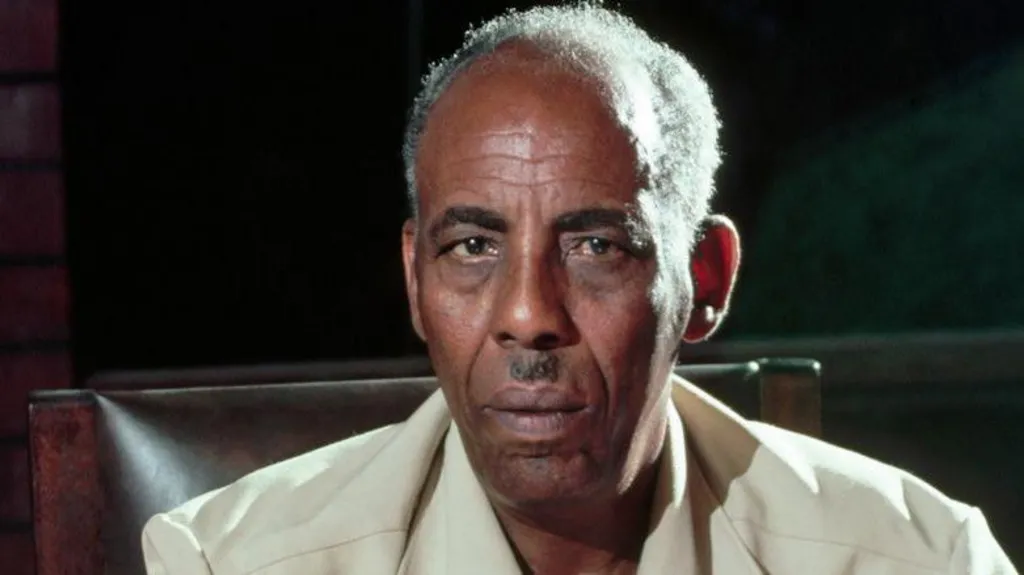
Exactly 31 years ago, two Kenyan pilots embarked on a secret mission to fly the body of former Somali President Siad Barre home for burial. In an exclusive BBC interview, Captain Hussein Mohamed Anshuur reveals the clandestine operation. A Nigerian diplomat recruited his company, Bluebird Aviation, to transport Barre’s body from Lagos to his hometown, Garbaharey, Somalia. This politically sensitive mission required evasion of multiple governments and exploited gaps in continental radar coverage.
The Unexpected Request and Its Risks
In January 1995, a Nigerian diplomat visited Anshuur and his partner, Mohamed Adan, at Wilson Airport in Nairobi. The diplomat came “straight to the point,” requesting a charter to secretly transport Siad Barre’s body across Africa. The pilots were stunned. They knew immediately this was not normal. Barre had been overthrown in 1991 and died in exile in Nigeria. Returning his body was politically fraught, risking serious diplomatic fallout. Anshuur feared repercussions if the Kenyan government, led then by President Daniel arap Moi, discovered their plan.
Weighing the Decision
The pilots debated intensely. The financial offer was lucrative, but the risks were high. They advised using a Nigerian Air Force plane, but the diplomat refused, insisting on secrecy. Barre’s son, Ayaanle Mohamed Siad Barre, later explained the urgency: Islamic tradition requires swift burial. Normal paperwork would have caused unacceptable delays. After a day of deliberation, the pilots accepted, but only after securing guarantees. They demanded that Nigeria assume full political responsibility and that two embassy officials accompany the flight.
Executing the Covert Operation
The mission relied on clever deception and outdated radar technology. On January 11, 1995, their Beechcraft King Air took off from Wilson Airport. The filed flight plan listed Kisumu, Kenya, as the destination. However, as they neared Kisumu, they switched off the radar and diverted to Entebbe, Uganda. Limited regional radar coverage at the time made this evasion possible.
A Multi-Stop Deception
In Entebbe, they claimed to have arrived from Kisumu. After refueling, they listed Yaoundé, Cameroon, as the next stop. From there, they proceeded to Lagos. Crucially, Nigerian authorities provided a Nigerian Air Force call sign “WT 001” to avoid suspicion in their own airspace. In Lagos, they met Barre’s family and loaded the wooden casket the next day for the final leg.
The Final Journey and Burial
On January 12, with the body and family members aboard, the plane retraced its route through Yaoundé and Entebbe. Each time, authorities were given false destinations. From Entebbe, they again claimed to be heading to Kisumu. Instead, they diverted directly to Garbaharey, Somalia. After a swift burial, the pilots faced their most stressful leg: returning to Nairobi. They told Wilson air traffic control they were arriving from Mandera, Kenya, to appear as a routine domestic flight. No one asked questions. The mission was over.
Why Secrecy Was Paramount
Anshuur emphasized that at no point did they inform any airport authorities they were carrying a body. This deliberate secrecy, and the cooperation of Nigerian diplomats, was key to success. The operation highlighted the fragile regional politics of the post-Cold War Horn of Africa.
Legacy of a Bygone Aviation Era
Reflecting today, Anshuur, now 65, says he would not undertake a similar mission. Modern aviation technology and comprehensive radar coverage make such covert flights virtually impossible. The mission remains a unique artifact of a different time in African aviation and politics.
A Mission of Tradition and Discretion
This secret flight was ultimately a mission to honor burial traditions for a controversial leader. It required immense personal risk, precise planning, and a deep understanding of the period’s technological limitations. The pilots’ successful navigation of this political minefield underscores a complex chapter in Somalia’s history and East African relations. The story, hidden for decades, reveals how individuals operated in the shadows to fulfill a sensitive, cross-continental duty.