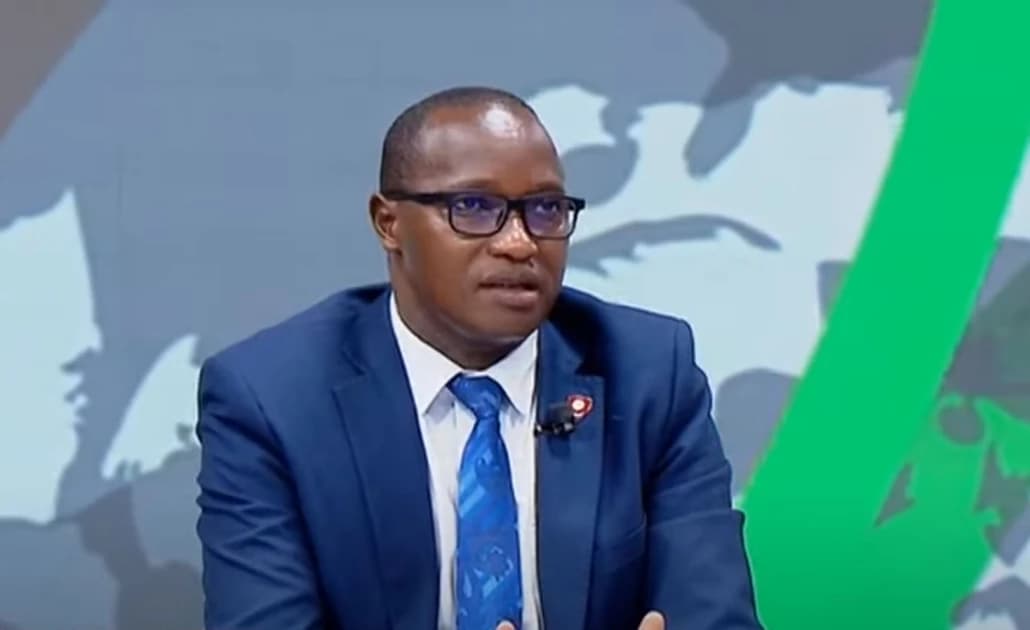
The Kenyan Parliament bribery allegations have reignited debates about legislative integrity after Mukurweini MP John Kaguchia accused President William Ruto of institutionalizing payments to lawmakers. Consequently, this stunning reversal challenges the Executive’s previous narrative that portrayed MPs as the primary actors in corruption scandals. Indeed, these claims demand careful examination given their potential impact on public trust in democratic institutions.
Furthermore, the Kenyan Parliament bribery allegations specifically reference State House Parliamentary Group meetings where legislators reportedly receive KES 100,000 per attendance. Therefore, if verified, this practice could indicate that the Kenya Kwanza administration’s legislative majority relies on financial incentives rather than policy alignment. Moreover, such revelations raise fundamental questions about the independence of the legislature when monetary rewards influence participation. As a result, citizens may question whether their representatives prioritize national interest or personal gain. Indeed, transparency in parliamentary operations remains essential for accountable governance.
In addition, Kaguchia’s accusations extend beyond attendance payments to broader concerns about development priorities in Nyeri County. Specifically, he claimed that food relief distributions serve campaign purposes rather than addressing genuine humanitarian needs. Consequently, this criticism highlights tensions between immediate relief efforts and long-term infrastructure commitments. Furthermore, the MP emphasized that his constituency seeks sustainable development projects like dams instead of temporary aid. Therefore, the Kenyan Parliament bribery allegations intersect with deeper debates about resource allocation and political accountability. Moreover, these perspectives reflect growing dissent within the Mt. Kenya political bloc.
The context of these claims matters significantly for understanding their implications. Previously, President Ruto accused the Justice and Legal Affairs Committee of demanding KES 10 million to pass the Anti-Money Laundering Bill. However, Kaguchia’s counter-allegations shift scrutiny toward Executive practices. Thus, the Kenyan Parliament bribery allegations create a complex scenario where both branches face corruption suspicions. Consequently, this mutual accusation dynamic risks undermining public confidence in all state institutions. Indeed, resolving such disputes requires impartial investigation mechanisms that transcend political affiliations.
Additionally, the financial aspect of these claims warrants attention. Taxpayer funds reportedly finance the alleged meeting payments, which raises questions about fiscal responsibility. Therefore, oversight bodies must examine whether such expenditures comply with public finance regulations. Moreover, if legislators receive compensation for routine duties, this practice could distort legislative priorities. As a result, the Kenyan Parliament bribery allegations touch on fundamental principles of public service ethics. Furthermore, establishing clear guidelines for parliamentary allowances would help prevent future controversies.
The political ramifications of these accusations extend beyond individual reputations. Specifically, the rift between President Ruto and Mt. Kenya MPs appears to deepen with each public exchange. Consequently, coalition stability may face tests if internal disagreements remain unresolved. Moreover, the Kenyan Parliament bribery allegations could influence voter perceptions ahead of future electoral cycles. Therefore, political leaders must balance defensive rhetoric with constructive dialogue to maintain public trust. Indeed, addressing governance concerns transparently strengthens democratic resilience.
For citizens observing these developments, several considerations merit attention. First, allegations require verification through established investigative channels before drawing conclusions. Therefore, institutions like the Ethics and Anti-Corruption Commission should prioritize impartial reviews. Moreover, media coverage must distinguish between claims and proven facts to avoid premature judgments. As a result, the Kenyan Parliament bribery allegations underscore the importance of due process in political disputes. Furthermore, civic education helps the public navigate complex governance issues without succumbing to polarization.
Looking forward, resolving these concerns demands collaborative solutions. Specifically, parliamentary reforms could enhance transparency in meeting allowances and legislative processes. Consequently, adopting international best practices for legislative ethics would strengthen institutional credibility. Moreover, the Kenyan Parliament bribery allegations present an opportunity to reinforce accountability frameworks across all government branches. Therefore, stakeholders should engage in good-faith discussions about improving governance standards. Indeed, sustainable progress requires commitment from both political leaders and civil society.
In summary, the Kenyan Parliament bribery allegations represent a critical moment for Kenya’s democratic institutions. Consequently, how these claims are addressed will influence public trust in governance for years to come. Furthermore, maintaining legislative independence while ensuring fiscal responsibility remains a delicate but essential balance. Therefore, all parties must prioritize national interest over political expediency. Moreover, transparent investigations and evidence-based conclusions will help restore confidence in parliamentary processes. Indeed, Kenya’s democratic maturity will be measured by its capacity to address corruption concerns constructively. As a result, the resolution of these Kenyan Parliament bribery allegations could set important precedents for accountability across the continent.
READ: PIN registration individual and non-individual 2026 guide