The US dollar advanced toward its strongest weekly performance since October on February 20, 2026, bolstered by resilient domestic economic indicators and heightened geopolitical risks stemming from US-Iran tensions dollar. The dollar index, which tracks the greenback against a basket of major currencies, stood poised for a gain of just over 1% over the week.
Strength in recent US labor market data provided early support. Initial jobless claims fell more than anticipated in the prior week, reinforcing perceptions of labor market stability despite broader uncertainties. This resilience helped lift the dollar in Thursday’s session and carried momentum into Friday.
Minutes from the Federal Reserve’s latest policy meeting revealed divisions among officials on the interest rate path. While some favored proactive cuts to safeguard employment, others advocated maintaining higher rates longer to combat persistent inflation. Markets interpreted the tone as slightly less dovish than previously anticipated.
Geopolitical developments added further tailwinds. President Donald Trump issued a stern warning to Iran on Thursday, stating that failure to reach a nuclear agreement within 10 to 15 days would trigger “really bad things.” Iran responded by affirming its readiness to retaliate against US regional bases if attacked.
Such escalations typically prompt investors to seek the relative safety of the US dollar. Analysts observed increased positioning for potential risk events over the weekend, particularly given the buildup of military assets in the Middle East.
Safe-Haven Flows Drive US-Iran Tensions Dollar Impact
Nomura’s head of G10 FX strategy, Dominic Bunning, attributed the dollar’s bounce to a combination of solid economic releases, a marginally hawkish Fed stance in meeting minutes, Middle East tensions, and aligned market positioning.
MUFG’s Derek Halpenny noted that markets appeared to brace for possible developments tied to US-Iran tensions dollar. He highlighted vulnerability in currencies such as the euro, Japanese yen, and British pound if crude oil prices surged further on supply disruption fears.
Sterling traded near $1.3476, close to a one-month low, and headed for a weekly decline of around 1.3%—its largest drop since January 2025. The euro held steady at $1.1767 but faced an approximate 0.8% weekly loss, compounded by uncertainty surrounding European Central Bank President Christine Lagarde’s future.
The New Zealand dollar also weakened significantly, set for a 1.4% weekly fall amid a dovish policy outlook from the Reserve Bank of New Zealand.
Key US Data Releases in Focus
Investors directed attention to the release of the core Personal Consumption Expenditures price index and advance fourth-quarter GDP figures later on Friday. These reports could influence expectations for Federal Reserve policy and shape near-term dollar movements.
Markets continued to price in approximately two rate cuts for 2025, though the probability of a June reduction slipped to about 56% from 62% a week earlier, according to the CME FedWatch tool.
Chris Zaccarelli, chief investment officer at Northlight Asset Management, explained the ongoing Fed debate centered on balancing employment support with inflation control. He anticipated the PCE data would contribute meaningfully to that discussion.
In currency crosses, the dollar maintained pressure on several major pairs. The combination of domestic strength and external risk factors reinforced the greenback’s appeal as a safe-haven asset.
Yen and Other Currencies React to Regional Developments
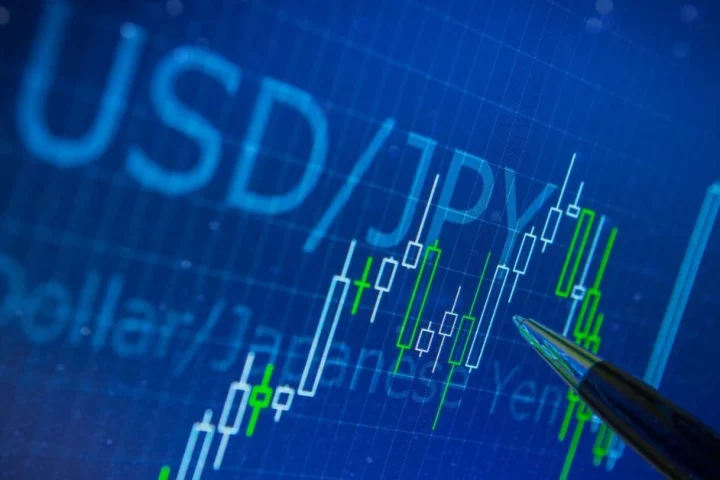
The Japanese yen traded at 155.27 per dollar, down about 0.2% on the day. Annual core consumer inflation in Japan slowed to 2.0% in January, the weakest pace in two years. Analysts viewed the figure as unlikely to prompt urgent action from the Bank of Japan toward further tightening.
A speech by Japanese Prime Minister Sanae Takaichi emphasizing economic revitalization produced little immediate reaction in the yen. Capital Economics described the data as failing to instill urgency in the central bank’s policy cycle.
Broader market dynamics reflected caution ahead of the weekend. With US-Iran tensions dollar remaining front and center, traders limited aggressive position adjustments while monitoring for any escalation or de-escalation signals.
The dollar’s weekly performance underscored its traditional role during periods of geopolitical uncertainty. When combined with supportive domestic fundamentals, such conditions often translate into sustained strength for the currency.
As key inflation and growth data landed, they would likely set the tone for the dollar’s trajectory into the following week. Continued focus on Middle East developments suggested volatility could persist in currency markets.
The interplay of economic resilience, monetary policy signals, and external risks highlighted the complex forces shaping exchange rates in early 2026.