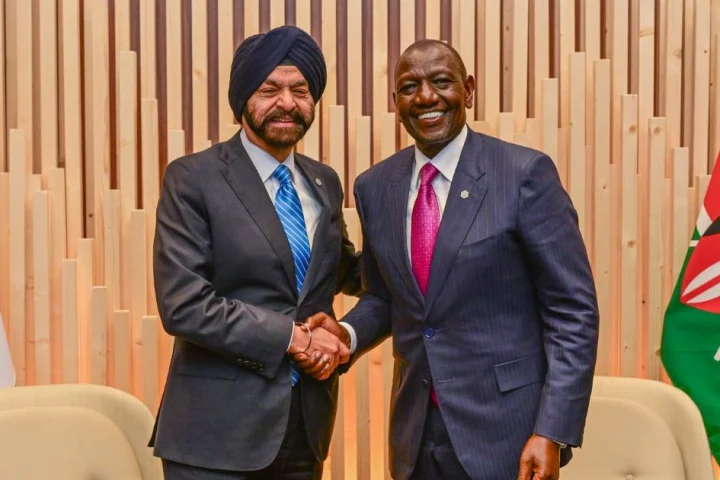
The Turkana oil project remains a priority for President William Ruto as he works to keep production timelines on track despite mounting regional concerns. Consequently, the administration has intensified engagement with local leaders to address grievances over tax exemptions and financial benefits granted to Gulf Energy. Indeed, this strategic intervention aims to balance investor confidence with community expectations in Kenya’s semi-arid north.
Furthermore, the Turkana oil project represents a significant opportunity for economic diversification and regional development. Specifically, successful extraction and export could generate substantial revenue for national and county governments. Therefore, maintaining momentum on this initiative aligns with broader goals of industrial growth and energy security. Moreover, the president’s personal involvement signals the high stakes associated with this venture. As a result, stakeholders across the value chain are monitoring negotiations closely for signs of progress or further delays.
In addition, the Turkana oil project has sparked debate regarding the distribution of benefits among local communities. Consequently, leaders in Turkana County have raised concerns about perceived inequities in the revised contract terms. Specifically, tax exemptions and financial incentives for Gulf Energy have fueled protests among residents who expect tangible improvements in infrastructure and services. Therefore, transparent communication about revenue sharing and local content provisions remains essential for building trust. Moreover, addressing these concerns proactively can prevent escalation and support sustainable project implementation.
The economic rationale for advancing the Turkana oil project extends beyond immediate fiscal gains. Indeed, developing domestic oil reserves reduces reliance on imported fuels and strengthens Kenya’s energy independence. Furthermore, associated infrastructure investments could improve connectivity and access to markets for remote communities. Consequently, the project’s success carries implications for regional integration and trade competitiveness. Therefore, policymakers must weigh short-term concessions against long-term developmental outcomes. Indeed, a balanced approach can unlock value for both investors and host communities.
Additionally, the Turkana oil project operates within a complex regulatory and environmental framework. Specifically, compliance with national standards and international best practices is non-negotiable for maintaining social license to operate. Therefore, robust monitoring mechanisms must accompany extraction activities to safeguard ecosystems and livelihoods. Moreover, community participation in environmental oversight can enhance accountability and reduce conflict risks. As a result, integrating sustainability principles into project planning supports both operational continuity and social cohesion.
The political dimension of the Turkana oil project introduces further complexity to implementation efforts. Specifically, divergent interests among national and county officials can create friction in decision-making processes. Therefore, establishing clear coordination channels helps align priorities and streamline approvals. Moreover, the president’s direct engagement demonstrates commitment to resolving bottlenecks that threaten project timelines. Consequently, sustained high-level attention may accelerate progress on pending contractual and regulatory matters. Indeed, political will remains a critical enabler for translating resource potential into tangible benefits.
Furthermore, the Turkana oil project faces scrutiny regarding its contribution to Kenya’s energy transition goals. Specifically, global shifts toward renewable sources raise questions about the long-term viability of fossil fuel investments. Therefore, planners must consider how oil revenues can fund clean energy initiatives and climate resilience programs. Moreover, positioning Turkana as a hub for diversified energy development could attract broader investment interest. As a result, strategic foresight helps future-proof the project against evolving market dynamics. Indeed, adaptive planning supports both economic and environmental objectives.
For local communities, the Turkana oil project carries expectations of improved livelihoods and economic opportunities. Consequently, employment provisions, skills training, and local procurement policies directly affect household welfare. Therefore, transparent implementation of these commitments builds goodwill and reduces protest risks. Moreover, community development funds linked to production volumes can create lasting positive impacts. As a result, aligning corporate social responsibility with local priorities strengthens project sustainability. Indeed, inclusive growth strategies help ensure that resource wealth translates into shared prosperity.
Looking ahead, the trajectory of the Turkana oil project depends on resolving current contractual disputes and securing social acceptance. Specifically, finalizing agreements that balance investor returns with community benefits requires good-faith negotiation and compromise. Therefore, independent mediation could facilitate consensus among stakeholders with divergent interests. Moreover, clear communication about project milestones and benefit distribution helps manage expectations and reduce misinformation. Consequently, building trust through transparency supports smoother implementation and reduces conflict risks. Indeed, collaborative governance models offer pathways to sustainable resource development.
In summary, the Turkana oil project stands at a critical juncture where strategic decisions will shape its long-term viability. Consequently, President Ruto’s active involvement reflects the national importance of advancing this initiative despite regional tensions. Furthermore, addressing community concerns while maintaining investor confidence requires nuanced policy approaches and sustained engagement. Therefore, stakeholders must prioritize dialogue, transparency, and inclusive planning to unlock the project’s full potential. Moreover, integrating environmental safeguards and economic diversification strategies strengthens resilience against market volatility. Indeed, the Turkana oil project can contribute meaningfully to Kenya’s development agenda if managed with foresight and accountability. As a result, concerted efforts today can lay foundations for lasting prosperity in Turkana and beyond.