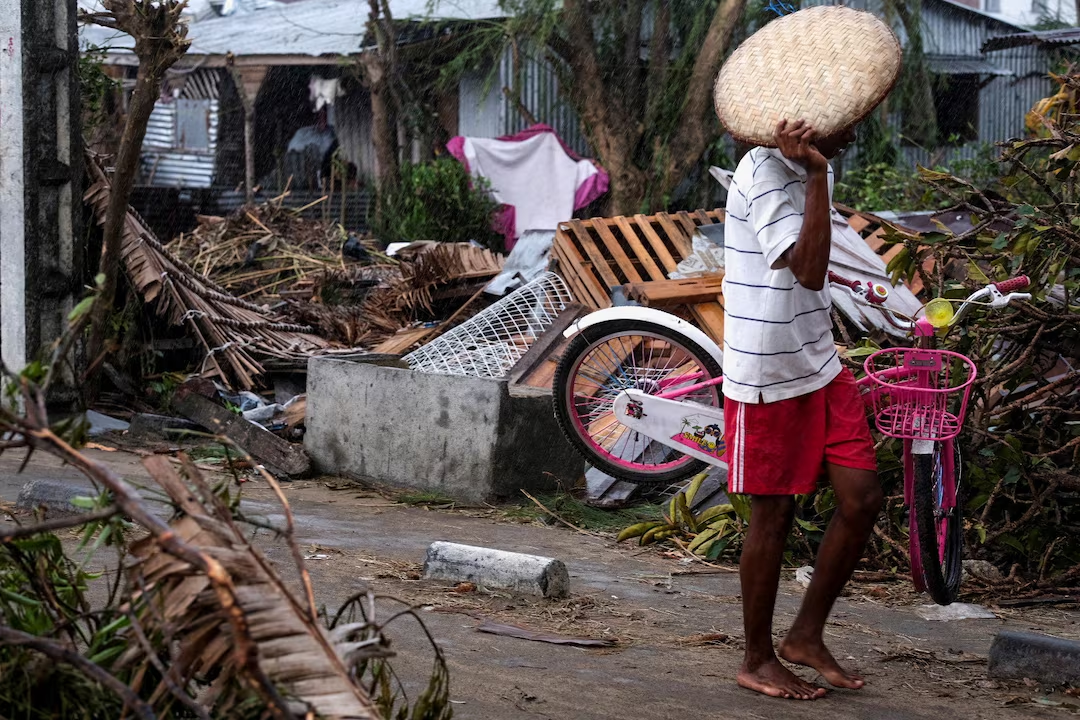
Cyclone Gezani has killed at least 59 people in Madagascar, the disaster management office reported on Monday. The powerful storm struck the Indian Ocean island nation last week, leaving a trail of destruction. The cyclone displaced 16,428 people, injured 804, and left 15 missing. Authorities classified 423,986 people as affected by the disaster. This Cyclone Gezani tragedy follows just ten days after Tropical Cyclone Fytia killed 14 people and displaced over 31,000. Consequently, Madagascar faces a relentless and devastating cyclone season, overwhelming already strained emergency response systems.
At its peak, Gezani packed sustained winds of about 185 kilometers per hour. Gusts reached nearly 270 kilometers per hour, powerful enough to rip metal roofing from homes and uproot large trees. The cyclone moved westward across the Mozambique Channel, bringing heavy winds and massive waves. The Mozambique weather service reported waves up to 10 meters in the channel’s southern end. The system has since curved back eastward. Forecasts now show it looping toward Madagascar again, with a potential second landfall expected on Monday in the southwest. Authorities have placed Ampanihy district on red alert. Gezani is forecast to pass about 100 kilometers offshore Monday evening, bringing winds of around 65 kilometers per hour but no heavy rainfall, according to the weather service.
Humanitarian Impact and Displacement
The human toll of Cyclone Gezani is staggering. Over 400,000 people are now classified as affected, meaning they have lost homes, livelihoods, or access to basic services. The 16,428 displaced persons require immediate shelter, food, water, and medical care. The 804 injured need treatment, many with storm-related trauma. The 15 missing persons weigh heavily on families and search teams. This disaster compounds the damage from Cyclone Fytia just days earlier. Communities are being hit twice, with no time to recover between storms. The National Bureau for Risk and Disaster Management (BNGRC) is leading the assessment and response, but resources are stretched thin. International aid will be crucial to meet the overwhelming needs.
Meteorological Characteristics and Path
Cyclone Gezani formed as a powerful tropical system in the Indian Ocean. Its sustained winds of 185 km/h place it in the strong tropical cyclone category. The peak gusts of 270 km/h are comparable to a Category 4 hurricane. The storm’s unusual path—moving west, then curving east for a potential second strike—complicates forecasting and preparedness. The initial landfall caused catastrophic damage in coastal areas like Toamasina. The second projected landfall in the southwest, while weaker, still threatens communities already on edge. The Mozambique Channel experienced dangerous sea conditions, with 10-meter waves posing risks to shipping and coastal settlements. The storm’s behavior highlights the challenges of predicting cyclone tracks in a changing climate.
Vulnerability of Madagascar
Madagascar is one of the world’s most cyclone-prone nations. It is also one of the poorest, with limited infrastructure and emergency response capacity. Cyclones frequently cause disproportionate damage due to weak construction, deforestation, and soil erosion that exacerbate flooding. The back-to-back strikes of Fytia and Gezani illustrate the heightened vulnerability. Communities in the storm’s path often live in flimsy homes that cannot withstand extreme winds. Deforestation on the island has removed natural barriers that once absorbed storm impacts. The result is a recurring humanitarian crisis where each cyclone pushes vulnerable populations deeper into poverty. International climate adaptation funding is urgently needed to build resilience, but progress has been slow.
Government and International Response
The BNGRC is coordinating the national response. Local authorities are providing emergency shelter and food where possible. However, the scale of the disaster exceeds national capacity. The United Nations humanitarian office has noted the consecutive storms and their cumulative impact. International partners, including aid agencies and neighboring countries, are mobilizing support. The Red Cross and other NGOs are active on the ground. The coming days will focus on search and rescue for the missing, medical care for the injured, and shelter for the displaced. The potential second landfall complicates these efforts, as responders must remain prepared for new impacts while addressing existing destruction.
Outlook and Long-Term Recovery
Madagascar now faces a long and difficult recovery. The death toll may rise as missing persons are found or as injuries prove fatal. Displaced populations need durable solutions beyond temporary shelters. Rebuilding homes and infrastructure will take months or years. The economic impact on agriculture and fishing, already fragile, will deepen food insecurity. The consecutive cyclones highlight the need for a paradigm shift from reactive disaster response to proactive resilience building. This includes stronger building codes, reforestation, improved early warning systems, and international climate finance. For now, the immediate focus remains on saving lives and meeting urgent needs. Cyclone Gezani will be remembered as one of the deadliest storms in a devastating season, a stark reminder of the vulnerability of island nations in an era of climate change.