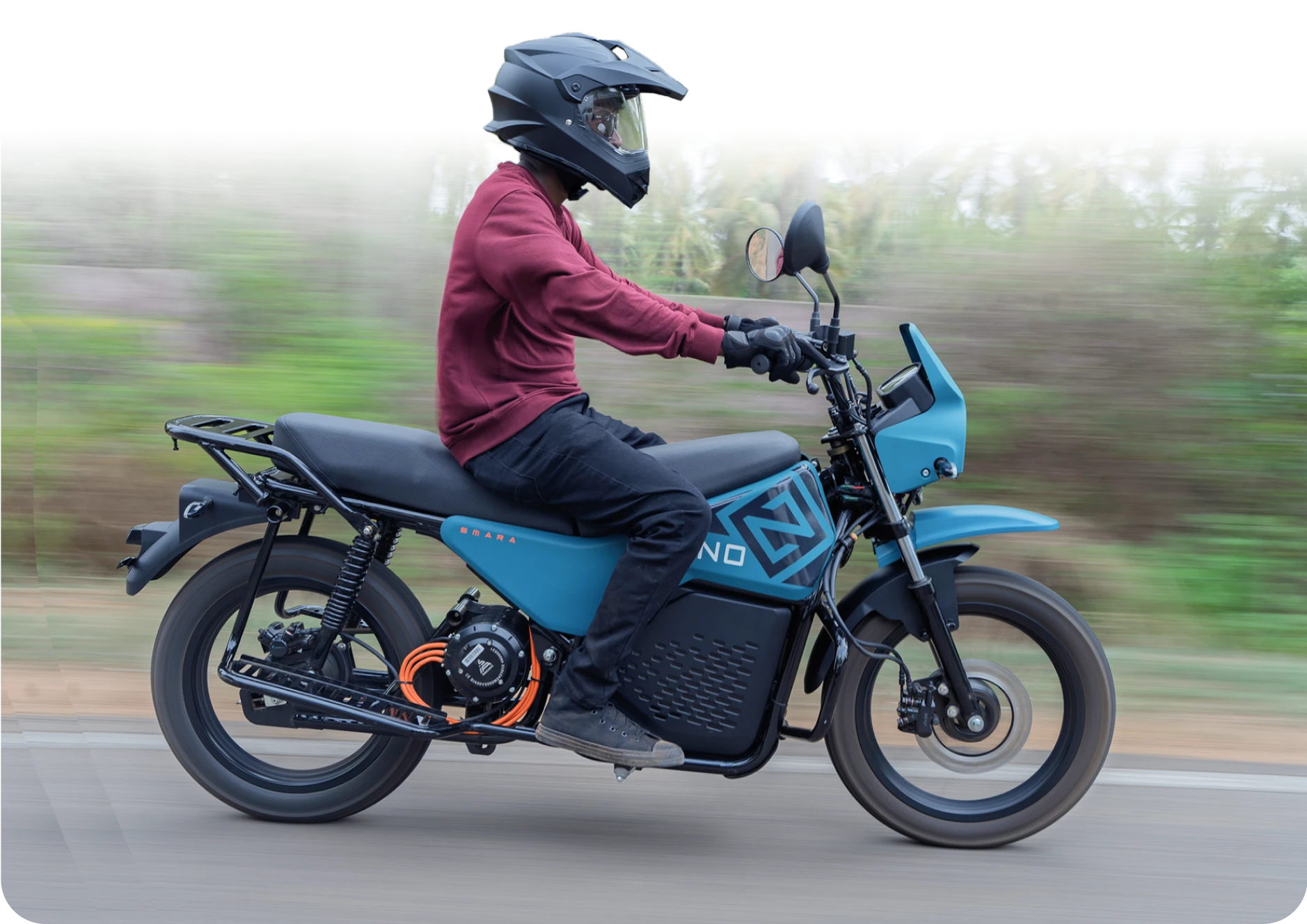
Zeno electric motorbikes are gaining major momentum after the electric mobility startup secured $25 million in Series A financing. The investment will help the company scale production of its battery-swap motorcycles and expand charging infrastructure across East Africa.
The funding round includes $20.5 million in equity financing. Congruent Ventures led the investment while Active Impact and Lowercarbon Capital also participated. In addition, the company secured a $4.5 million debt facility from Camber Road and Trifecta Capital. The capital will allow Zeno to accelerate manufacturing and strengthen its energy infrastructure network.
The startup plans to increase production of its flagship Emara electric motorcycle while expanding battery-swap and charging stations across Kenya and Uganda. These two countries represent key markets because motorcycles form the backbone of urban transport and delivery services.
In cities across East Africa, motorcycle taxis known as bodabodas move millions of passengers and goods every day. Because of this massive demand, electric motorcycles are emerging as a powerful alternative to traditional gasoline-powered bikes.
Since emerging from stealth about 18 months ago, Zeno electric motorbikes have already gained traction in the market. The company has produced more than 800 Emara motorcycles and deployed over 150 charging and battery-swap stations.
These stations operate across four cities in Kenya and Uganda. The infrastructure allows riders to quickly replace depleted batteries rather than waiting for long charging sessions.
According to Zeno co-founder and CEO Michael Spencer, building a strong team has been essential to reaching these milestones. He said the company is focused on serving customers while building a financially sustainable long-term business.
Before the Series A funding round, Zeno had raised $9.5 million in seed financing. That round was led by Lowercarbon Capital and Toyota Ventures, two investors known for backing climate technology startups.
Demand for Zeno electric motorbikes has grown quickly as the company expands its presence. Currently, more than 25,000 retail and fleet customers are waiting to receive the bikes.
However, production capacity remains limited. The company currently manufactures about 70 to 80 motorcycles each week. With the new funding, Zeno plans to increase manufacturing output to meet growing demand.
The Emara electric motorcycle was designed specifically for the East African bodaboda market. The bike produces roughly 8 kilowatts of peak power. This output is similar to a 150cc gasoline motorcycle.
Electric drivetrains provide another major advantage. They deliver instant torque, which allows the bike to climb steep hills while carrying heavy cargo. This feature is particularly useful for riders operating in crowded cities or hilly terrain.
The motorcycle can carry up to 250 kilograms. It also offers a range of about 100 kilometers on a single charge.
Zeno has structured its pricing model to make the bikes accessible to riders. The Emara sells for about $1,300 without a battery. When sold with the battery included, the price reaches roughly $2,000.
However, riders do not always need to buy the battery upfront. Instead, many customers subscribe to Zeno’s battery service.
This model allows riders to swap depleted batteries at designated stations or recharge them at home. Subscription options include monthly plans or pay-per-use systems.
The approach lowers the initial cost of ownership. It also ensures riders can keep their motorcycles operating throughout the day without long downtime.
Operating costs represent another key advantage. The company estimates that running Zeno electric motorbikes costs about 50 percent less than gasoline-powered motorcycles.
Fuel expenses represent a major burden for many bodaboda riders. As fuel prices fluctuate, operating electric motorcycles offers more predictable costs.
Beyond transportation, Zeno is also exploring energy applications for its battery technology.
The company is testing a battery dock system that allows removable motorcycle batteries to power homes and businesses. These batteries can run lights, charge devices, and operate small appliances.
Around a dozen customers are already piloting the technology. Early tests suggest the batteries could support households in areas where grid reliability remains inconsistent.
If commercialized, the system could transform Zeno’s battery network into a distributed energy platform.
In many parts of East Africa, electricity access remains uneven. Modular energy solutions such as removable batteries could help close that gap.
Zeno’s approach reflects a broader shift toward electrification across East Africa’s motorcycle sector.
The region has one of the largest motorcycle taxi markets in the world. Millions of riders rely on motorcycles for income and mobility.
As investors pour capital into electric mobility startups, companies are racing to scale battery-swap networks and expand production.
The success of Zeno electric motorbikes could play an important role in that transition.
By combining electric vehicles with distributed battery infrastructure, startups like Zeno aim to reduce emissions, lower transport costs, and improve energy access across East Africa.
With strong investor backing and growing demand, the company now enters a critical phase of growth. The new funding will determine how quickly Zeno can scale its production and infrastructure across the region’s rapidly evolving electric mobility market.