Kenya’s financial and political landscape is focused on a high‑profile plan to sell part of the Government’s stake in Safaricom, the East African telecom giant that also plays a central role in mobile money and financial services. The Central Bank of Kenya (CBK) has publicly backed the transaction, assuring lawmakers and investors that it will not threaten the stability of the financial system — but debate continues over the wisdom and structure of the deal.

Safaricom, founded in 1997, dominates Kenya’s mobile and digital services market — including the widely used M‑PESA platform — and has a massive customer base that underpins its strategic importance to the economy.
What the Share Sale Plan Entails
The Government of Kenya, through National Treasury proposals in Sessional Paper No. 3 of 2025, is proposing to sell a 15 per cent stake in Safaricom PLC to South Africa’s Vodacom Group at a price of KES 34 per share, a total value of about KES 204.3 billion prior to other receipts. This divestiture would reduce the Government’s ownership from 35 per cent to 20 per cent, while Vodacom’s stake would increase to 55 per cent.
The plan also includes an upfront payment for future dividend rights, which raises the gross proceeds closer to KES 244.5 billion, a figure that supporters argue offers fiscal breathing room for the government.
Central Bank of Kenya’s Assurance
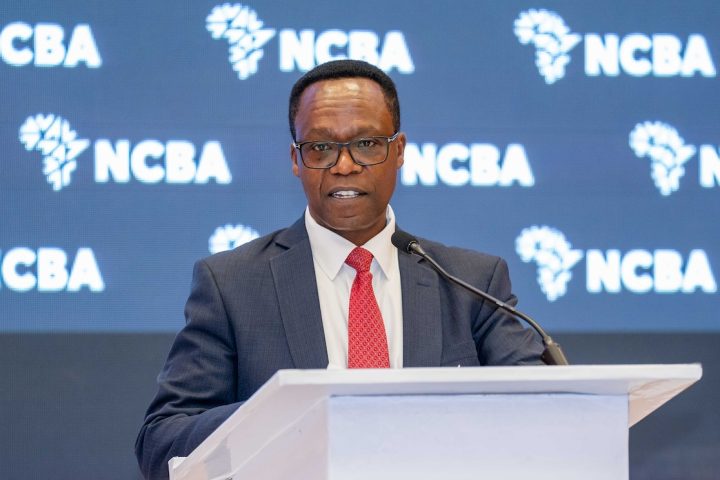
CBK Governor Dr. Kamau Thugge has publicly endorsed the deal, emphasizing that strong prudential oversight and safeguards would keep Kenya’s financial system stable even after the divestiture. The governor stressed that the transaction “will not compromise the integrity of the national payment system” as long as regulatory safeguards are enforced and approved by financial authorities.
His remarks are aimed at calming investor fears about the fate of M‑PESA, which holds substantial client funds and is regulated as a payment system instrument. CBK’s assurance that the transaction is safe for the financial sector has been echoed across regulatory agencies, signalling strong institutional support for the plan.
Safaricom’s Position
Safaricom’s CEO Peter Ndegwa has also addressed concerns, reassuring stakeholders that the company will remain fundamentally Kenyan even after the change in shareholding. He stated that the transaction is a shareholder‑to‑shareholder deal that does not affect operational control, governance frameworks, or regulatory oversight by Kenyan agencies, including CBK, the Communications Authority of Kenya, the Capital Markets Authority, and others.
Ndegwa further noted that Safaricom’s board composition, leadership, and management structures will remain intact, and that the increased stake by Vodacom aligns with long‑term capital support and expertise beneficial for the company’s growth strategy.
Economic Rationale Behind the Sale
Proponents of the sale argue that it gives the Government an opportunity to raise significant fiscal resources without additional borrowing or tax increases. The substantial proceeds from the share sale — including the dividend monetisation — could be channelled into critical infrastructure projects in transport, education, and digital expansion, as well as help buttress foreign reserves and reduce debt pressures.
This approach has been presented as a form of fiscal engineering that monetises a high‑value asset to fund development goals while maintaining economic stability, avoiding costly new taxes, and reducing reliance on expensive commercial loans.
Public Debate and Opposition
Despite official backing, the sale has attracted scrutiny and opposition from various quarters. Some lawmakers and civil society groups argue that the process lacks transparency and may be undervaluing a critical national asset. Critics, including the Consumer Federation of Kenya (COFEK), have petitioned Parliament to block the deal, warning that selling a large slice of Safaricom to foreign interests could undermine national economic sovereignty and give control over strategic financial infrastructure to non‑Kenyan entities.
Other stakeholders, such as the Kenya Bankers Association (KBA), recommend that part of the 15 per cent stake be reserved for public float on the Nairobi Securities Exchange, which could deepen capital markets and broaden ownership among Kenyan investors. Such proposals are now part of ongoing parliamentary review and public participation processes.
Implications for the Financial System and Investors
CBK’s assurance is critical because Safaricom’s operations — especially M‑PESA — interact closely with Kenya’s financial ecosystem. As one of the largest holders of mobile money funds in the country, M‑PESA’s stability is key to everyday economic life, from saving and payments to business transactions. CBK’s position suggests that the regulatory framework will continue to protect users and maintain confidence in the financial sector.
For investors, the deal’s endorsement by regulators may encourage confidence in Kenya’s capital markets. Safaricom’s share performance and liquidity on the NSE could be influenced by increased participation and potential public share offerings. Broader market sentiment could shift as stakeholders weigh the benefits of major capital inflows against concerns over foreign control and long‑term valuation.
The planned Safaricom share sale, backed by assurances from the Central Bank of Kenya, represents a significant moment for Kenya’s financial and economic policy. While the Kenya Government aims to leverage the country’s most valuable listed company to fund development without increasing debt, public debate and parliamentary review continue to shape how the deal unfolds. Investors — both local and international — and everyday Kenyans will be watching closely as regulators, policymakers, and stakeholders negotiate how best to balance fiscal needs with national interests.