Shimoni port privatisation marks a major shift in Kenya’s strategy to unlock its blue economy as the government opens the country’s first Indian Ocean fish port to private investors. The move signals a growing push to attract capital, improve efficiency, and expand the fisheries sector, which has long operated below its full potential.
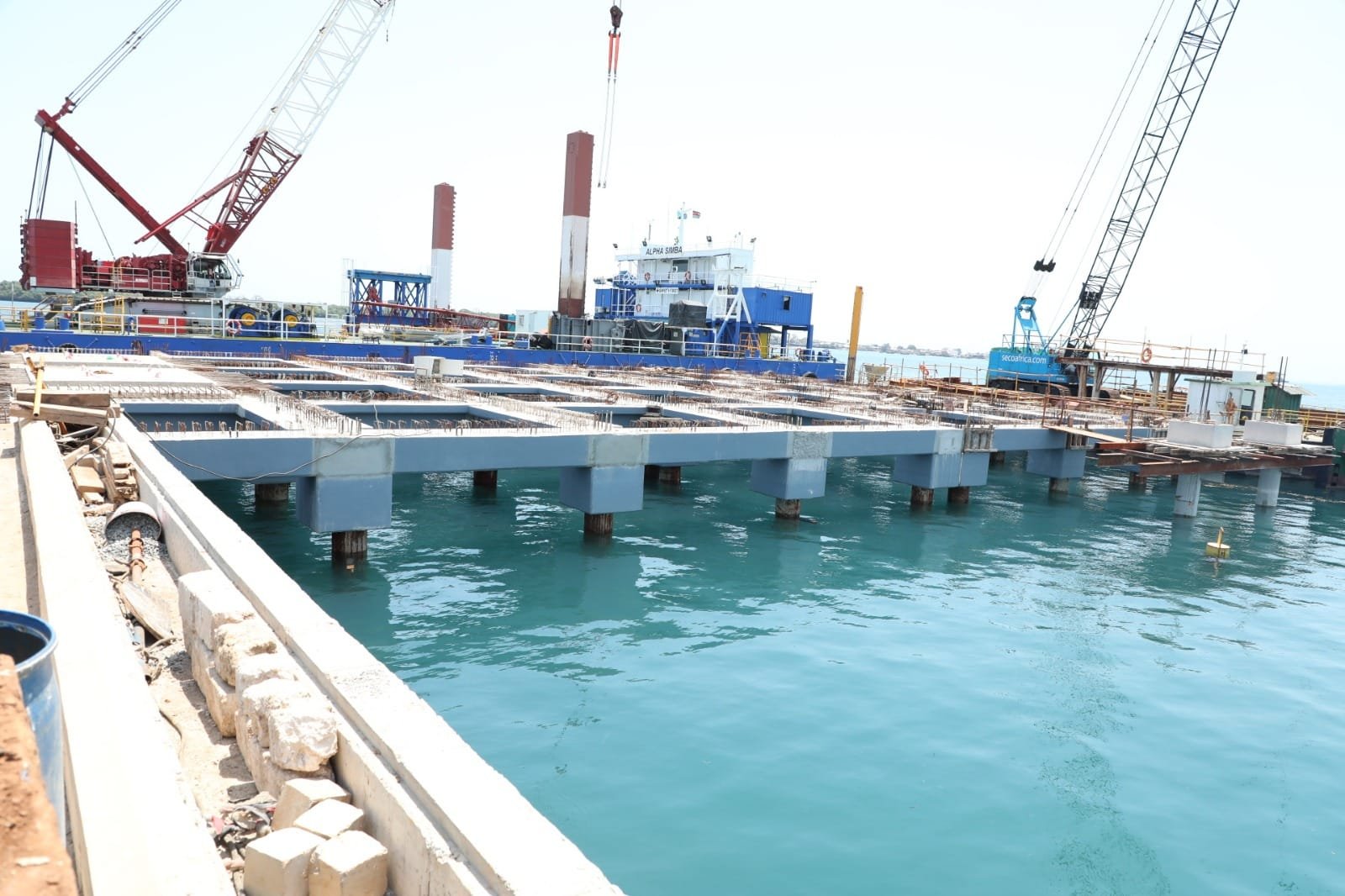
Located in Kwale County, the Shimoni fish port now operates under a public-private partnership structured as a landlord model. This framework allows the government to retain ownership of the land and core infrastructure while granting private investors the responsibility to finance, equip, and manage port operations. The approach reflects a broader trend where governments seek private expertise to drive performance in strategic sectors.
The Kenya Ports Authority confirmed that a feasibility study conducted in 2018 supported this model. Construction of the port began in October 2022 and reached completion in June 2025. Authorities have positioned the project as a key pillar under Kenya Vision 2030, with a clear focus on accelerating socio-economic growth through better use of marine resources.
The Shimoni port privatisation plan outlines clear roles for both the public and private sectors. The selected private operator will handle cargo equipment, ICT systems, staffing, marketing, and security. The operator will also maintain infrastructure within the facility to ensure smooth operations. Meanwhile, the Kenya Ports Authority will oversee the berth and ensure compliance with national regulations. This division of responsibilities aims to balance control with operational efficiency.
Shimoni port stands out as the largest among a network of small seaports along the Kenyan coast. These include Kiunga, Ngomeni, Malindi, Kilifi, Funza, and Vanga. The port has the capacity to handle up to 24,000 tonnes of fish annually, placing it at the center of efforts to modernize coastal infrastructure and improve fish handling standards.
The government identified Shimoni as a high-potential project following a master plan developed in 2012. That plan evaluated small ports based on economic viability, cargo demand, and regional development needs. Shimoni emerged as one of the most promising sites, offering strong returns and strategic importance for the coastal economy.
The Shimoni port privatisation initiative also reflects a shift in government priorities. Authorities have redirected focus from the Liwatoni Fishing Complex, a project that faced repeated delays and controversy. Initially seen as a flagship investment, Liwatoni stalled after its expected completion in 2021. In contrast, Shimoni now represents a more practical and achievable path toward boosting fisheries output.
Kenya’s fisheries sector continues to show steady growth, yet much of its potential remains untapped. Data from Kenya Fisheries Services shows that the country produced 168,424 tonnes of fish in 2024, valued at Sh39.6 billion. This marked a 4.4 percent increase from 2023, when production stood at 161,307 tonnes worth Sh35.9 billion.
Despite this growth, inland fisheries still dominate production. Inland capture fisheries contributed 86,527 tonnes, valued at Sh14.5 billion. Marine and aquaculture production accounted for 48,474 tonnes and 33,423 tonnes, valued at Sh18.6 billion and Sh9.9 billion respectively. These figures highlight the need to strengthen marine infrastructure and unlock the full potential of coastal resources.
The Shimoni port privatisation effort aims to address these gaps by improving efficiency in fish landing, storage, and distribution. With better facilities, fishermen can reduce post-harvest losses and access wider markets. This improvement can increase incomes for coastal communities while strengthening the overall supply chain.
Private sector involvement is expected to bring advanced technology, better management practices, and stronger marketing strategies. These improvements can help position Kenya as a competitive player in regional and international seafood markets. At the same time, the government retains oversight to ensure that operations align with national development goals.
The Shimoni project could also serve as a model for future port investments. Authorities have indicated that similar arrangements may extend to operations in larger ports such as Mombasa and Lamu. If successful, the landlord PPP model could reshape how Kenya manages key infrastructure assets across multiple sectors.
Beyond economics, the Shimoni port privatisation initiative supports broader development goals. It aligns with efforts to create jobs, enhance food security, and promote sustainable use of marine resources. By strengthening the fisheries sector, the government aims to build a more resilient and diversified economy.
The project also highlights the importance of strategic planning in infrastructure development. By selecting high-impact projects and aligning them with national goals, Kenya can maximize returns on investment while addressing long-standing challenges. Shimoni represents a step in this direction, combining public oversight with private sector efficiency.
As the port opens to investors, attention will focus on how quickly operations scale and how effectively the partnership delivers results. The success of the Shimoni port privatisation strategy will depend on execution, market demand, and the ability to integrate local communities into the value chain.
In the coming years, Shimoni could emerge as a key hub for Kenya’s fisheries industry. With the right management and investment, it has the potential to transform coastal economies and strengthen the country’s position in the global seafood market.