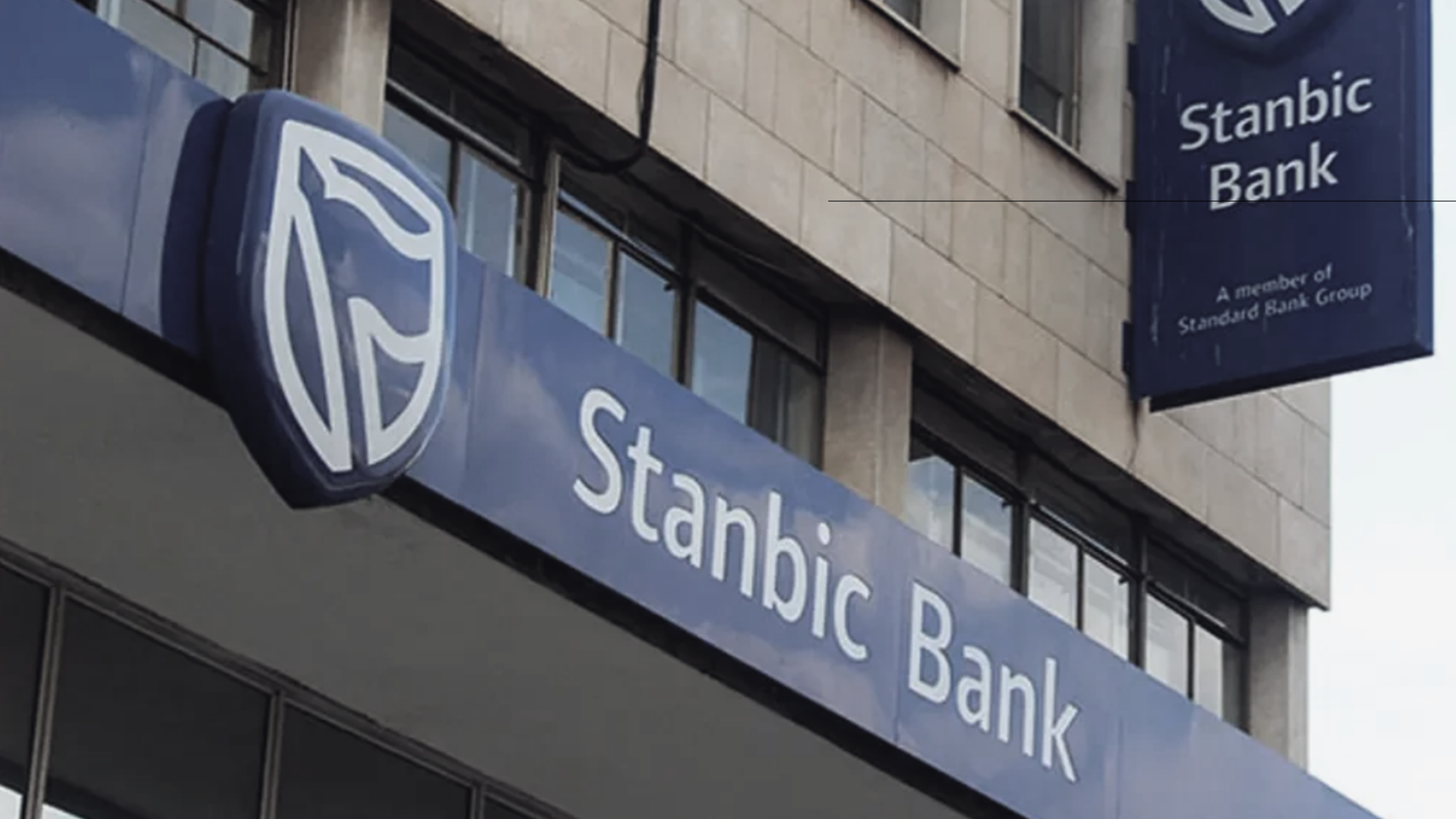
A planned merger between Stanbic Bank (through its Kenyan subsidiary, Stanbic Kenya) and NCBA Group has officially collapsed, with insiders revealing that differences over rebranding and strategic direction played a crucial role in the breakdown of negotiations. The merger, which would have created Kenya’s third-largest bank, valued at approximately KSh 1.1 trillion (US$8.5 billion) in assets, failed after months of discussions and speculation.
The breakdown in talks between Standard Bank Group (which owns Stanbic Kenya) and NCBA has sparked considerable interest in the region’s banking sector. At the center of the dispute was Standard Bank’s insistence on rebranding NCBA, which ultimately led to the decision by NCBA to pursue a new partnership with Nedbank, another major player in the African financial sector.
A Deal That Could Have Shaped the Future of Kenyan Banking
Had the merger gone through, it would have significantly reshaped Kenya’s banking landscape. NCBA, currently the fourth-largest lender in Kenya, would have merged with Stanbic, ranked eighth by assets, under the umbrella of Standard Bank. The combined entity would have had an immense footprint in both retail and corporate banking, with a diverse portfolio spanning sectors like real estate, trade, and infrastructure.
But as insiders have revealed, the conflict arose over the branding of the merged entity. NCBA executives, including their Group MD John Gachora, were reportedly reluctant to embrace the rebranding proposals put forth by Standard Bank. Standard Bank had envisioned rebranding NCBA to incorporate the Stanbic name and logo, aligning it with the broader branding strategy of its parent company. However, NCBA management resisted these plans, as they felt that the existing NCBA brand was strong and well-established in Kenya and would not benefit from such a drastic change.
The Rebranding Standoff: A Clash of Corporate Identities
The heart of the issue was NCBA’s desire to maintain its independent identity and heritage in the Kenyan market. For many years, NCBA has built a reputation as one of the leading financial institutions in Kenya, with a strong presence in the East African market. Rebranding the bank, particularly in the face of such significant organizational changes, was seen as an unnecessary risk by many NCBA executives.
On the other hand, Standard Bank—which owns a 75% stake in Stanbic Holdings—was intent on consolidating its presence across Africa under the Stanbic brand. The company has been vocal about its ambition to strengthen its position in East Africa, and integrating NCBA under the Stanbic banner seemed like a natural step to achieve that goal.
However, NCBA refused to compromise on its brand identity. Insiders confirmed that NCBA was open to strategic collaborations and partnerships, but the rebranding requirement was a dealbreaker. This led to the eventual collapse of the merger talks and the search for alternative partnerships.
The Shift to Nedbank: A New Beginning for NCBA
Following the failed merger talks, NCBA found a new partner in Nedbank, a South African banking giant with a strong presence across Africa. NCBA officially announced its partnership with Nedbank in early 2026, marking a significant step in the lender’s strategy to expand its reach in the region. Unlike the Stanbic deal, this partnership does not require rebranding.
In fact, one of the key selling points of the Nedbank deal is the lack of overlap between the two companies. Nedbank does not have an established presence in the markets that NCBA operates in, particularly in Kenya and East Africa. This lack of direct competition means that NCBA can continue to build its brand while benefiting from Nedbank’s significant capital and resources.
John Gachora, NCBA’s Group MD, emphasized that the partnership with Nedbank would offer NCBA access to a much deeper balance sheet and capital sources, enabling the bank to expand more aggressively in the region. Additionally, the Nedbank partnership will give NCBA a stronger position in the broader African market, with Nedbank positioning NCBA as the cornerstone of its East African expansion.
While the deal is still subject to regulatory approval, NCBA has already stated that the acquisition will be beneficial for its shareholders, offering better diversification of risks and increased liquidity. The partnership is also expected to generate significant value for NCBA’s investors by enhancing the bank’s financial strength and competitive position.
NCBA’s Strategic Focus Moving Forward
The NCBA–Nedbank deal is indicative of a broader trend in the Kenyan banking sector, where mergers and acquisitions have become more frequent due to increasing regulatory pressures and the need to scale operations. With new capital requirements looming and competition intensifying, NCBA’s decision to align with Nedbank positions the bank to thrive in a rapidly evolving market.
As Gachora explained in a press briefing, NCBA remains open to inorganic growth opportunities across Kenya and other markets it operates in. This flexibility shows that the bank is keen to continue expanding, whether through strategic partnerships or acquisitions. However, NCBA also emphasized that it would not rush into any deal that does not align with its long-term vision or market strategy.
The Bigger Picture: Mergers and Acquisitions in Kenya’s Banking Sector
The NCBA–Nedbank deal is just one example of a larger wave of mergers and acquisitions taking place in Kenya’s banking industry. As the country’s financial market matures, larger banks are seeking ways to consolidate and strengthen their positions through strategic partnerships. This trend is also being driven by regulatory changes, such as the new core capital requirements, which have prompted smaller banks to look for ways to compete with the industry’s giants.
In addition to the Nedbank deal, there have been other significant moves in the Kenyan banking sector. For instance, FirstRand Bank, Africa’s largest bank by market value, has also disclosed plans to enter the Kenyan market, potentially through an acquisition. This reflects the increasing interest of international banks in the Kenyan financial ecosystem, which remains one of the most dynamic and competitive in the region.
What Lies Ahead for NCBA
With the Nedbank deal progressing and expected to bring significant capital and expertise, NCBA is poised for continued success in Kenya and beyond. The partnership will enable NCBA to better compete in the growing East African market, while still maintaining its brand identity. As the deal progresses, NCBA will likely focus on strengthening its position in East Africa, particularly in Ethiopia and the Democratic Republic of the Congo (DRC), where the bank has expressed interest in expanding its footprint.
However, NCBA’s management remains vigilant in monitoring new M&A opportunities. Gachora reiterated that the bank would consider new partnerships if they align with its growth strategy and offer potential value to shareholders.
In conclusion, the failure of the Stanbic-NCBA merger and the subsequent Nedbank acquisition signals a shift in the Kenyan banking sector, where strategic partnerships, brand integrity, and growth prospects are taking center stage. While NCBA now looks forward to its partnership with Nedbank, the failure of the Stanbic deal serves as a reminder of the complexities and challenges that come with high-stakes mergers and acquisitions in the rapidly evolving financial landscape.