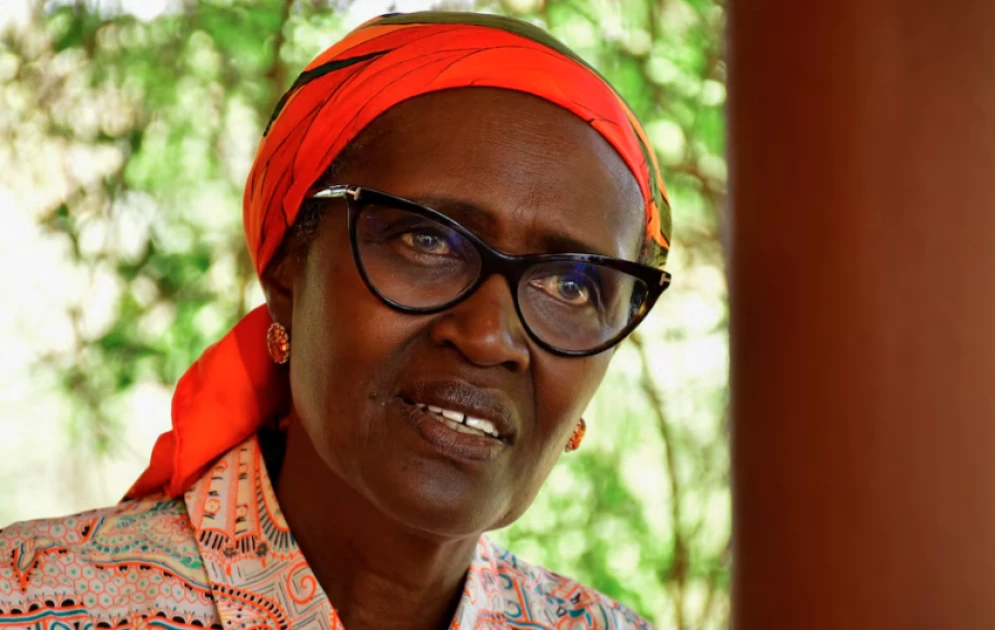
Wife Says Detained Ugandan Opposition Leader Kizza Besigye is Seriously Ill
The wife of detained Ugandan opposition leader Kizza Besigye says his health condition is “worrying” and deteriorating. Winnie Byanyima stated her husband suffers from high fever, stomach pain, and severe dehydration. Furthermore, she reports he cannot walk and eats very little. Byanyima, the executive director of UNAIDS, spoke to Reuters in an interview at their Kampala home. She visited Besigye on Wednesday and described a significant decline in his well-being. The 69-year-old former presidential candidate has spent over a year in detention on treason charges.
Authorities arrested Besigye in Kenya before extraditing him to Uganda. His allies and family label him a political prisoner, targeting him for opposing President Yoweri Museveni. Museveni, 81, recently won re-election in a disputed vote. Byanyima alleges prison authorities deny proper medical care. She claims a doctor suspects a bacterial infection, but results are pending. Prisons officials rejected a request for treatment at his private doctor’s clinic. Consequently, Byanyima warns that every hour of delay “costs his life.”
Details of the Alleged Poor Prison Conditions
Winnie Byanyima provided disturbing details about her husband’s detention circumstances. She states authorities hold Kizza Besigye in solitary confinement. His cell is a small, hot room with limited space. She also claims a thin, bedbug-infested mattress serves as his bed. These conditions, she argues, exacerbate his poor health. His inability to walk compounds the problem, confining him to the inadequate sleeping area. Such allegations align with long-standing criticisms of Uganda’s treatment of political detainees.
The Uganda Prisons Service spokesperson, Frank Baine, did not answer requests for comment. The government routinely denies persecuting opposition figures. Officials maintain that all detainees have committed crimes and that they treat them lawfully. However, Byanyima’s account paints a starkly different picture. She insists authorities deliberately mistreat her husband to compromise his health. This situation raises urgent human rights concerns, drawing attention to the plight of a leading opposition voice.
Background of Besigye’s Detention and Political Context
Kizza Besigye is a historic figure in Ugandan politics. He once served as President Museveni’s personal physician and ally. He later became Museveni’s most prominent political opponent. Besigye has challenged Museveni in four presidential elections. His arrest in Kenya and subsequent extradition sparked international condemnation. Many view the treason charges as politically motivated. His detention has lasted more than a year without a conclusive trial.
The health crisis emerges just after Museveni’s controversial re-election. Official results gave Museveni nearly 72% of the vote against opponent Bobi Wine. Wine has rejected the results as fraudulent. Besigye’s illness removes another critical voice from the public sphere during a period of political tension. His absence and now his deteriorating health symbolize the intense pressure facing Uganda’s opposition. Therefore, the situation tests the limits of the state’s duty of care for individuals in custody.
Medical Concerns and Calls for Intervention
The specific medical concerns are severe. Symptoms include high temperature, stomach pain, and an inability to walk. Dehydration is a critical risk, especially for a 69-year-old. Byanyima stated a prison doctor conducted tests suspecting a bacterial infection. However, the lack of definitive results and specialized care is alarming. Denying access to his private doctor limits effective monitoring and treatment. This significantly increases the risk of complications or irreversible decline.
International human rights law requires states to provide adequate healthcare to detainees. Failure to do so can constitute cruel, inhuman, or degrading treatment. Byanyima’s public appeal likely aims to trigger domestic and international pressure. She leverages her platform as a senior UN official to highlight the case. Ultimately, the goal is to compel Ugandan authorities to transfer Besigye to a proper medical facility. Her warning that “they want to kill him” is a direct accusation of intentional neglect.
Potential Ramifications and Next Steps
The deteriorating health of Kizza Besigye could trigger significant political repercussions. His death or permanent disability in custody would create a major crisis for the Ugandan government. It would likely galvanize the opposition and attract intense global scrutiny. Moreover, it could strain Uganda’s relationships with foreign partners and donors. Consequently, the state has a strong incentive to manage his health situation carefully, even if only for pragmatic reasons.
The immediate next steps involve medical and legal advocacy. Besigye’s legal team will likely file urgent applications for his release on medical grounds. Simultaneously, diplomatic channels may activate through Byanyima’s UN connections. Pressure will mount on the Uganda Prisons Service to provide a detailed, public account of his condition and care. The government must balance its political narrative with the practical necessity of preventing a tragedy in custody. How it responds will be a key measure of its adherence to the rule of law and human rights.