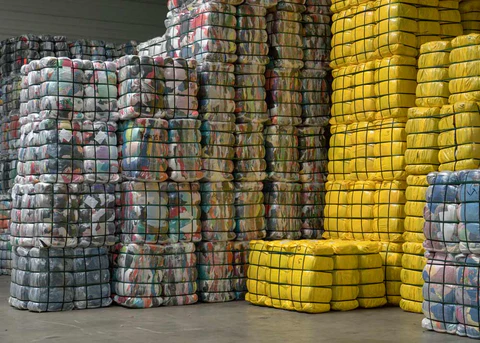
The demand for second-hand clothes, commonly known as mitumba, in Kenya is ever-growing. The profitability of importing mitumba bales has attracted many entrepreneurs looking to tap into this lucrative business. However, the process of importing mitumba bales requires an understanding of the regulations, selecting reliable suppliers, and choosing the best shipping methods. This step-by-step guide will help you navigate the process, from finding a supplier to clearing goods at customs and distributing them in Kenya.
Understanding Import Regulations in Kenya
Before importing Mitumba bales to Kenya, it’s essential to understand the country’s import regulations to avoid legal issues and ensure smooth customs clearance.
1. Kenya Bureau of Standards (KEBS) Requirements
KEBS controls the importation of second-hand clothing to ensure they meet health and safety standards.
- Pre-Shipping Inspection: All mitumba bales must be inspected before shipment to confirm they are free from contamination.
- Standardization Mark (SM): KEBS provides a certification mark for approved imports.
- Clean and Wearable: The clothes must be in good condition and suitable for resale.
2. Import Duty and Taxes
Importing mitumba bales is subject to various taxes. These taxes can significantly affect your profit margins:
- Import Duty: 35% of the customs value.
- Value Added Tax (VAT): 16% of the total value, including import duty.
- Railway Development Levy (RDL): 1.5% of customs value.
- Import Declaration Fee (IDF): 2% of customs value.
3. Import Declaration Form (IDF)
An Import Declaration Form (IDF) is required for customs clearance. You must obtain this document from the Kenya Revenue Authority (KRA) before your shipment arrives.
4. Restricted and Prohibited Items
Certain items are restricted or prohibited for import into Kenya, including:
- Used Undergarments: Such as underwear and bras, due to hygiene concerns.
- Torn or Unwearable Clothes: Bales with excessive wear or damage are not allowed for import.
Finding a Reliable Mitumba Supplier
It is crucial to choose a trustworthy supplier for your Mitumba bales to avoid fraud and ensure good quality. Reliable suppliers will offer competitive prices and high-quality clothes, which helps in minimizing losses.
Best Countries to Source Mitumba Bales
Mitumba bales come from various countries, each offering different qualities and prices. The best countries to source from include:
- United Kingdom (UK): Known for high-quality Grade 1 mitumba, including branded items.
- United States (USA): Offers a mix of high-end and budget-friendly bales.
- Canada: Famous for good-quality winter wear like jackets and sweaters.
- China: Provides bulk supplies at lower prices, though quality may vary.
- South Korea: Known for fashionable, trendy second-hand clothes.
Wholesale Suppliers and Markets Recommended
When sourcing mitumba bales in bulk, consider reputable wholesale suppliers and markets:
- Guangzhou Markets (China): Famous for affordable mitumba bales.
- UK Charity Wholesalers: Some charities sell high-quality second-hand clothes in bulk.
- Wholesale Suppliers in the USA and Canada: Many exporters offer sorted bales categorized by clothing types (e.g., children’s wear, jeans, and shoes).
- Alibaba and Global Sources: Online platforms that connect buyers with reliable mitumba suppliers.
How to Vet a Mitumba Supplier
To avoid scams and ensure quality, here are some ways to verify your supplier:
- Request Sample Pictures and Videos: Always ask for real-time images or videos of the bales before making a purchase.
- Check Reviews and Ratings: Look for reviews from other importers to gauge the supplier’s reliability.
- Verify Export Licenses and Certifications: Ensure that the supplier is legally registered to export second-hand clothing.
Shipping Options and Costs
After selecting a supplier, the next step is choosing the best shipping method. The choice of shipping depends on your budget, urgency, and order size.
1. Air Freight: Fast but Expensive
Air freight is the fastest method, suitable for small orders or urgent shipments.
Advantages of Air Freight:
- Fast delivery (5 to 7 days).
- Suitable for small orders (10-50 bales).
- Reliable and secure with minimal risk of damage or loss.
Disadvantages of Air Freight:
- High shipping costs based on weight.
- Limited space for large quantities of bales.
Estimated Air Freight Costs:
- From the UK: $10 – $15 per kg
- From India: $7 – $12 per kg
- From Dubai: $5 – $10 per kg
2. Sea Freight: Cost-Effective for Bulk Orders
Sea freight is more affordable for large shipments but takes longer to deliver.
Advantages of Sea Freight:
- Cost-effective for bulk orders (100+ bales).
- High capacity with container shipping.
Disadvantages of Sea Freight:
- Longer delivery times (4 to 6 weeks).
- Requires port clearance, which can cause delays at Mombasa.
Container Options for Sea Freight:
- 20ft Container: Holds around 500-550 bales.
- 40ft Container: Holds around 1,000-1,200 bales (ideal for large shipments).
Estimated Sea Freight Costs:
- 20ft Container: $3,000 – $4,500
- 40ft Container: $5,000 – $7,000
3. Courier Services: Best for Small & Urgent Orders
Courier services like DHL, FedEx, and Aramex are perfect for smaller shipments and urgent orders.
Advantages of Courier Services:
- Fast delivery (7 to 14 days).
- Door-to-door service, eliminating the need for clearing agents.
Disadvantages of Courier Services:
- Expensive for large shipments.
- Higher costs per kilogram.
Estimated Courier Shipping Costs:
- DHL: $15 – $25 per kg
- FedEx: $12 – $20 per kg
- Aramex: $10 – $18 per kg
Step-by-Step Process to Import Mitumba Bales to Kenya
1. Identify Your Target Market
Research your target customers and determine the grade of clothes in demand. Consider the following categories:
- Grade 1 (Cream Grade): High-quality clothes, almost new, suitable for high-end customers.
- Grade 2: Slightly used but still in good condition, popular in local markets.
- Grade 3: Affordable clothes with visible wear, targeting low-income buyers.
2. Find a Trusted Mitumba Supplier
Search for reputable suppliers from countries like the UK, USA, China, and South Korea. Check for verified ratings and request samples before committing to bulk orders.
3. Negotiate Prices and Payment Terms
Negotiate bulk pricing and payment terms. Most suppliers accept:
- Bank transfers
- PayPal or Trade Assurance (for security)
- Partial payments before shipment and balance after delivery
4. Arrange for Shipping
Choose the best shipping method based on your order size and budget. Air freight is best for small orders, while sea freight is ideal for bulk shipments.
5. Prepare Import Documents
Ensure you have all necessary documents for customs clearance, including:
- Invoice
- Bill of Lading (BOL) or Airway Bill (for air freight)
- Packing List
- KEBS Clearance Certificate
- Import Declaration Form (IDF)
6. Customs Clearance in Kenya
When your shipment arrives at the Port of Mombasa, a licensed clearing agent will handle the customs clearance process. Ensure all documents are in order to avoid delays.
7. Distribution and Sales
Once your shipment is cleared, you can distribute your Mitumba bales through:
- Wholesale markets like Gikomba and Toi
- Online platforms such as Facebook, Instagram, WhatsApp, and Jiji
- Physical retail stores or market stalls
General Challenges and Solutions
- Customs Withdrawal Delay:
Solution: Work with an efficient clearing agent and ensure all documents are ready. - Poor Quality Bales:
Solution: Vet suppliers carefully and start with a small test order. - High Import Costs:
Solution: Use sea freight for bulk orders and negotiate shipping rates with reliable forwarders. - Competition from Local Suppliers:
Solution: Offer high-quality and exclusive items, and leverage online platforms for sales. - Shift in Market Demand:
Solution: Monitor market trends and stock seasonal items. - Fraud and Scams:
Solution: Only buy from verified suppliers and use secure payment methods like PayPal or Trade Assurance.
Tips for a Successful Mitumba Business
- Start with a Small Test Order
Test the market with a small order to assess the demand and quality. - Identify and Target the Right Customer Base
Focus on either high-end customers, budget buyers, or wholesale clients based on your niche. - Leverage Online Sales and Social Media
Use Facebook, Instagram, and WhatsApp to promote your Mitumba bales and engage with potential customers. - Work with Reliable Clearing and Forwarding Agents
Ensure smooth customs clearance by working with trusted clearing agents. - Build Strong Relationships with Suppliers
Maintain good communication with suppliers to get better deals and priority shipments. - Stay Updated on Market Trends
Monitor trends to ensure you are offering the right types of Mitumba clothes at the right time. - Offer Competitive Prices and Promotions
Attract customers by offering discounts and promotions, especially for bulk purchases.
Conclusion
Importing Mitumba bales to Kenya is a profitable business venture with great potential. By following the steps outlined in this guide, from finding a trusted supplier to handling customs clearance and distribution, you can successfully enter the market. Remember to research the market, choose the right shipping method, and stay updated on customs regulations to ensure your business thrives.
Frequently Asked Questions
- What is the best shipping method for importing Mitumba bales to Kenya?
The best shipping method depends on your order size. Air freight is ideal for small orders, while sea freight is cost-effective for large shipments. - What are the import duties and taxes for Mitumba bales in Kenya?
Import duties include 35% import duty, 16% VAT, 1.5% Railway Development Levy, and 2% Import Declaration Fee (IDF). - Can I import used undergarments?
No, used undergarments like underwear and bras are prohibited for import into Kenya for hygiene reasons. - How can I avoid poor-quality Mitumba bales?
Always vet suppliers carefully, request samples, and start with a small test order to ensure quality before buying in bulk. - What are the common challenges in importing Mitumba bales?
Common challenges include customs delays, high import costs, fraud, and market demand fluctuations.