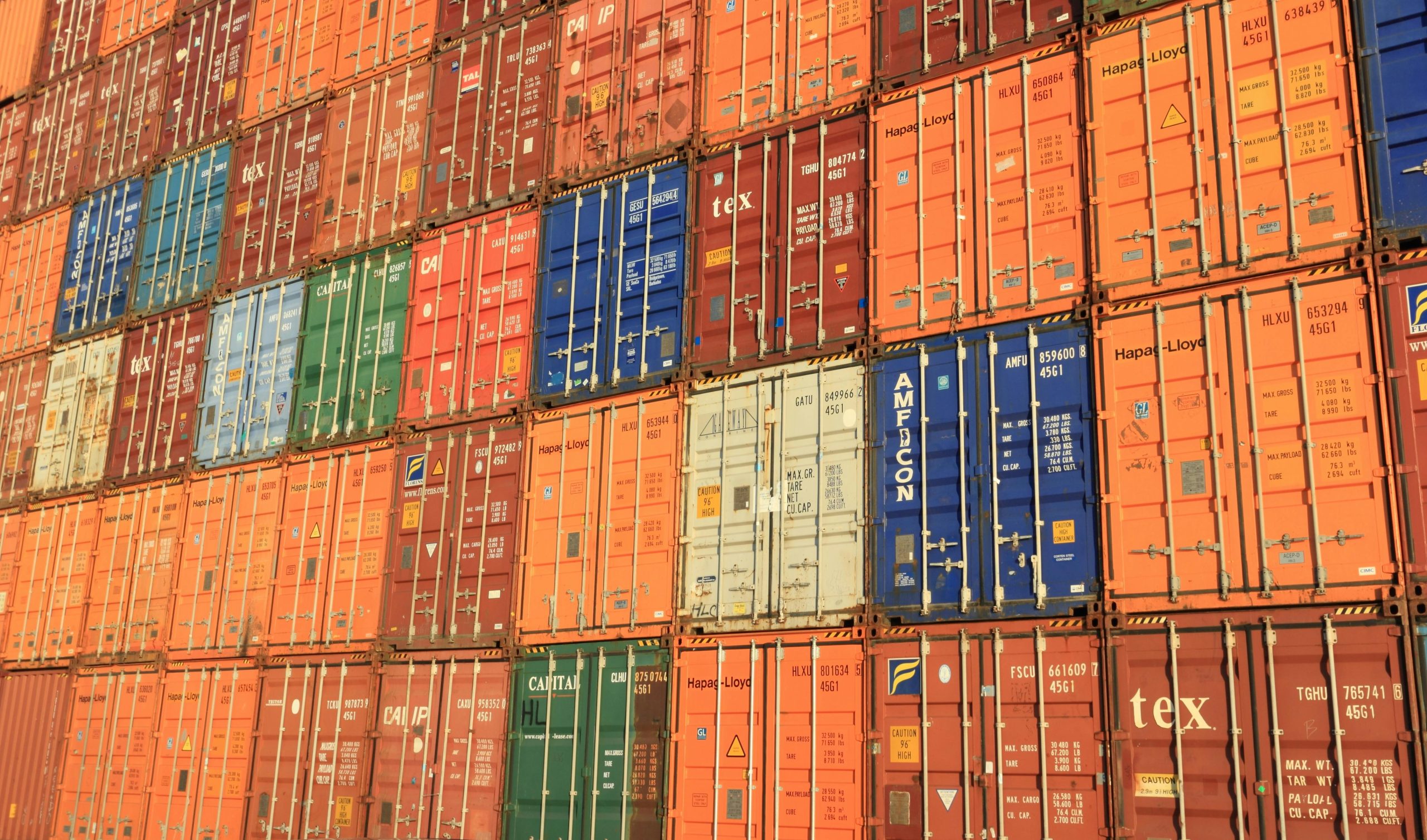
Importing goods from Dubai to Kenya provides great business opportunities, especially in the retail sector. As a global trading hub, Dubai offers high-quality products at competitive prices, making it a top choice for Kenyan importers. However, the process involves several regulations, paperwork, and logistics. This guide will help you navigate the import process and ensure compliance with both Kenyan and Dubai standards.
Understanding Import Regulations
Kenya Import Requirements
When importing goods into Kenya, it is crucial to follow the country’s legal requirements to avoid delays or penalties. The Kenya Revenue Authority (KRA) plays a significant role in enforcing these regulations, and the necessary documents include:
- Import Declaration Form (IDF): A mandatory document required for all imports. It is issued by the KRA before shipping.
- Commercial Invoice: This document lists the goods, their quantity, unit value, and total cost, along with their HS code and country of origin.
- Certificate of Conformity (COC): Some items require certification from the Kenya Bureau of Standards (KBS) to ensure they meet the necessary safety and quality standards.
- Packing List: This document includes shipment details such as weight, dimensions, and packaging details.
- Bill of Lading or Airway Bill: These shipping documents confirm the transport details for sea or air freight.
Restricted and Prohibited Goods
Certain goods require special permits or are prohibited altogether. Prohibited items include firearms, narcotics, counterfeit goods, and hazardous materials. Restricted items include pharmaceuticals, used electronics, and some agricultural products, which may need additional permits or approvals.
Sourcing Products in Dubai
Dubai is an excellent place to find reliable suppliers. The city offers multiple options for sourcing goods, including manufacturers, wholesale markets, and online platforms.
Identifying Reliable Suppliers
To source products efficiently, consider these methods:
- Dubai Chamber of Commerce: Offers a directory of reputable suppliers across various industries.
- Wholesale Markets: Locations like Dragon Mart, Dera Markets, and Al-aveer Market are great for wholesale purchases.
- Trade Exhibitions: Events like the Gulfood Exhibition and Dubai International Trade Fair allow you to connect with suppliers.
- B2B Online Platforms: Websites like Alibaba and Tradeki help you find suppliers, compare prices, and negotiate bulk deals.
Ensure that the supplier is reliable by checking reviews and business registration details. If possible, visit their premises.
Documentation and Compliance
Key Documents for Importing from Dubai to Kenya
Proper documentation is crucial for smooth customs clearance. Missing or incorrect documents can cause delays or penalties. The key documents include:
| Document | Purpose | Issuing Authority |
|---|---|---|
| Import Declaration Form (IDF) | Mandatory for all imports | Kenya Revenue Authority (KRA) |
| Commercial Invoice | Lists product details, cost, and origin | Supplier/Exporter |
| Bill of Lading / Airway Bill | Confirms shipment details | Shipping Line / Airline |
| Certificate of Conformity (CoC) | Ensures compliance with Kenyan standards | Pre-Verification of Conformity (PVoC) Agent |
| Packing List | Details shipment weight, dimensions, and packaging | Exporter |
| Certificate of Origin | Verifies manufacturing country | Dubai Chamber of Commerce |
Shipping and Logistics
Choosing the right shipping method and logistics provider is essential for minimizing costs and delays.
Shipping Methods: Air Freight vs. Sea Freight
Here’s a comparison of the two most common shipping methods:
| Shipping Method | Delivery Time | Best For | Cost |
|---|---|---|---|
| Air Freight | 2-3 days | High-value or time-sensitive goods | Expensive |
| Sea Freight | 7-10 days | Bulk shipments, non-perishable goods | Cost-effective |
For urgent goods like electronics, air freight is ideal. For large shipments like textiles, machinery, and furniture, sea freight is more economical.
Packaging Considerations
Proper packaging protects your goods during transit and helps comply with international shipping standards. Ensure secure packaging, clear labeling, and palletization for large shipments.
Customs Clearance in Kenya
Once your goods arrive in Kenya, they must clear customs before being distributed.
Hiring a Licensed Clearing Agent
A licensed clearing agent is essential for navigating the customs clearance process. They assist with documentation, customs declarations, and inspections.
Payment of Duties and Taxes
The applicable import duties and taxes depend on the product type. The Kenya Revenue Authority (KRA) outlines the tax rates:
| Tax/Duty | Rate | Applies To |
|---|---|---|
| Import Duty | 0%, 10%, or 25% | Based on product category |
| Value Added Tax (VAT) | 16% | Charged on the CIF (Cost, Insurance & Freight) value |
| Import Declaration Fee (IDF) | 2% of CIF value | Charged on all imports |
| Railway Development Levy (RDL) | 1.5% of CIF value | Funds infrastructure development |
Best Practices for a Smooth Import Process
Follow these best practices to reduce delays and ensure the success of your import business:
- Pre-shipment Inspection: Ensure goods meet Kenyan standards and match procurement agreements. Obtain the Certificate of Conformity (CoC) if necessary.
- Timely Documentation: Submit all documents before shipping to avoid delays at customs.
- Choose the Right Shipping Method: Use air freight for time-sensitive goods and sea freight for bulk shipments.
- Insurance: Insure your shipment to protect against loss or damage during transit.
- Stay Updated on Rules: Regularly check updates from KRA and KBS regarding import rules and tax rates.
Conclusion
Importing goods from Dubai to Kenya offers substantial business potential. However, the process involves several important steps, including compliance with Kenyan regulations, sourcing quality products, proper documentation, and customs clearance. By following the guidelines outlined in this guide, businesses can streamline their import processes, reduce risks, and ensure timely deliveries.